


Why Your Safe Pages Must Look Like Solid Sites in 2026 – It’s All About AI Models
Many media buyers and PPC specialists who have peeked into BHW threads or affiliate chats in early 2026 have noticed the same "cry for help." Good old one-pagers on WordPress or auto-generated safe pages (white pages) aren't surviving as long as they used to. Even worse, these subpar landing pages are getting accounts nuked for "Unacceptable Business Practices" or "Circumventing Systems" before they even spend their first $50. The problem is fundamental—it’s not about the quality of your accounts or proxies anymore. It’s happening at the landing page level, triggered by Google’s new AI-driven visual analysis. The search giant is heavily utilizing Gemini Vision models during moderation, and we have to adapt.
How Algorithms "See" Your Safe Page

Back in the day, moderation was simple. A bot scanned HTML code, looked for stop words, and checked links or scripts for malware. If you cleaned the code of "cloaking footprints" and filled your safe page and pre-lander with neutral text, you’d pass without a hitch. Today, that approach rarely works. The algorithm no longer just "reads" the code; it renders the page exactly as a human sees it. Modern Vision models have been trained to evaluate the visual side of things. They can tell if a logo in the header is blurry or pulled from a stock library because Google’s neural networks already have those logos in their database. Furthermore, the AI understands that the photos in your "Team" or "About Us" section feature people who have appeared on thousands of other landing pages. Going without hyper-realistic AI-generated personas and metadata scrubbers has become much harder. Those who adapted quickly are already fighting Google with its own weapons, but even then, Vision models scan the layout and instantly distinguish a real business from a clunky, temporary "placeholder".
If a safe page looks like a cookie-cutter template with a collection of mobile casual games and "lorem ipsum" in the footer, while the ad mentions slots—that’s an instant trigger for the anti-fraud algorithm. Google doesn’t just block the ad; it lowers the invisible trust score of the entire ad account. If you’re running on self-registered accounts (self-regs) with near-zero initial trust, a visually weak safe page will finish the account off for good. Google rarely gives a second chance for an appeal in these cases.
In this environment, using trusted agency accounts acts as a safety net. Agency profiles, which affiliates can link to their farmed Gmail accounts via the YeezyPay dashboard, come with an established history and a high level of platform trust. This trust helps you survive the initial automated filters. For instance, on a trusted agency account, the algorithm might overlook minor design flaws, dismissing them as a "beginner mistake" or initial testing by an agency for a new client. Meanwhile, a fresh farmed account would face a permanent ban for the exact same "violation".
The "E-E-A-T" Principle for Moderation
SEO pros know all about E-E-A-T (Experience, Expertise, Authoritativeness, Trustworthiness), but now this requirement applies to paid ads as well. AI analyzes the page for "business logic," determining if the business could actually exist in the real world.
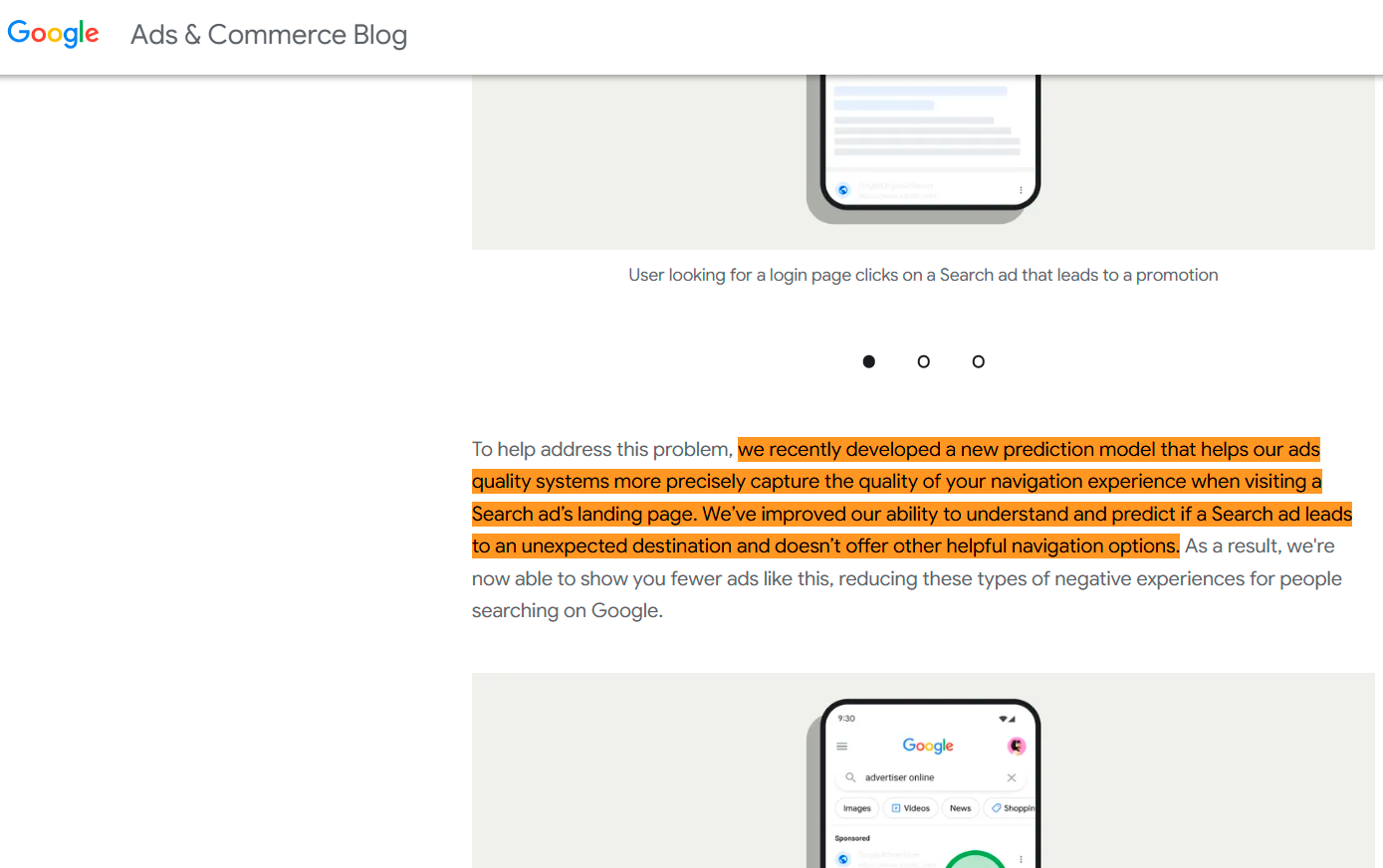
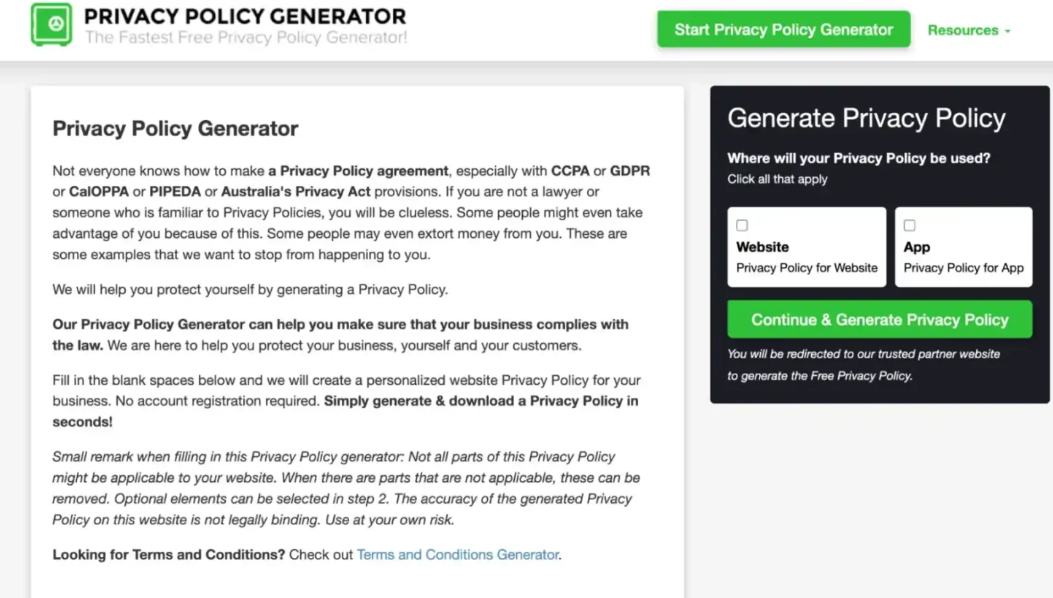
If an affiliate is running gambling offers and masking the funnel with a mobile game site, that game must look like a product someone actually invested money in. It needs a Privacy Policy, Terms of Use, real contacts, and, most importantly—depth. Today, Google is much more suspicious of one-pagers than full-scale websites. Ideally, a white page should have a basic structure: "Home," "Blog," "About Us," and "Contact." These shouldn't be dead links with anchors to the top of the page; bots follow them, analyzing content and behavioral factors. If the site lacks a working contact form or clickable social icons, Gemini flags it as "Low Quality" or a potential scam.
Your job now is to convince the AI that you spent more than 10 bucks on the site. Page rendering includes analyzing font pairings, white space, and image uniqueness. You need unique content. Run your images and videos through uniqueizers, strip the metadata, or generate visuals using Midjourney or Nano Banana Pro.
There’s a crucial nuance regarding support and appeals. When an account gets "frozen" for a manual or advanced bot check—which happens regularly when swapping creatives or launching new campaigns—the moderator (human or advanced bot) visits the safe page. If they see a high-quality resource, the freeze is usually lifted. If it looks like a low-effort job, the ban is confirmed. By using the YeezyPay infrastructure, affiliates gain access not only to robust agency accounts but also the ability to have a constructive dialogue with Google support in case of accidental bans. The service managers know the current check triggers and can point out what specifically the system disliked on the safe page, while the affiliate handles the content or technical fix. Account trust buys you time and a voice in grey-hat niches, but it can’t turn a bad site into a good one.
Text Within Images: The New Threat
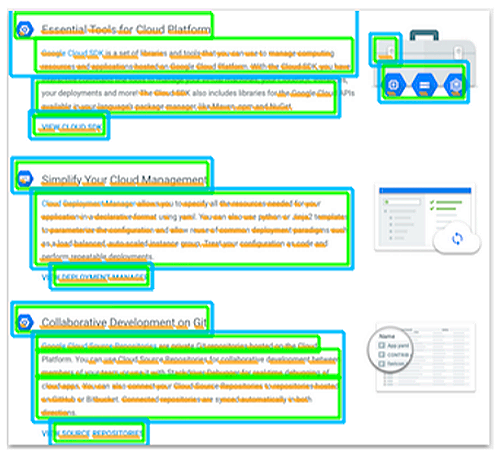
While official Google Ads policy has become more lenient regarding text volume on banners, the "20–30% rule" is still a solid guideline. However, Google now heavily uses Optical Character Recognition (OCR). This means the system reads text not just in the page body, but on banners, images, and logos. If your safe page is about "Crypto Education" but a banner has "Financial Freedom" in small font or traces of an old "trading bot" template, you’ll get hit with a ban for content mismatch.
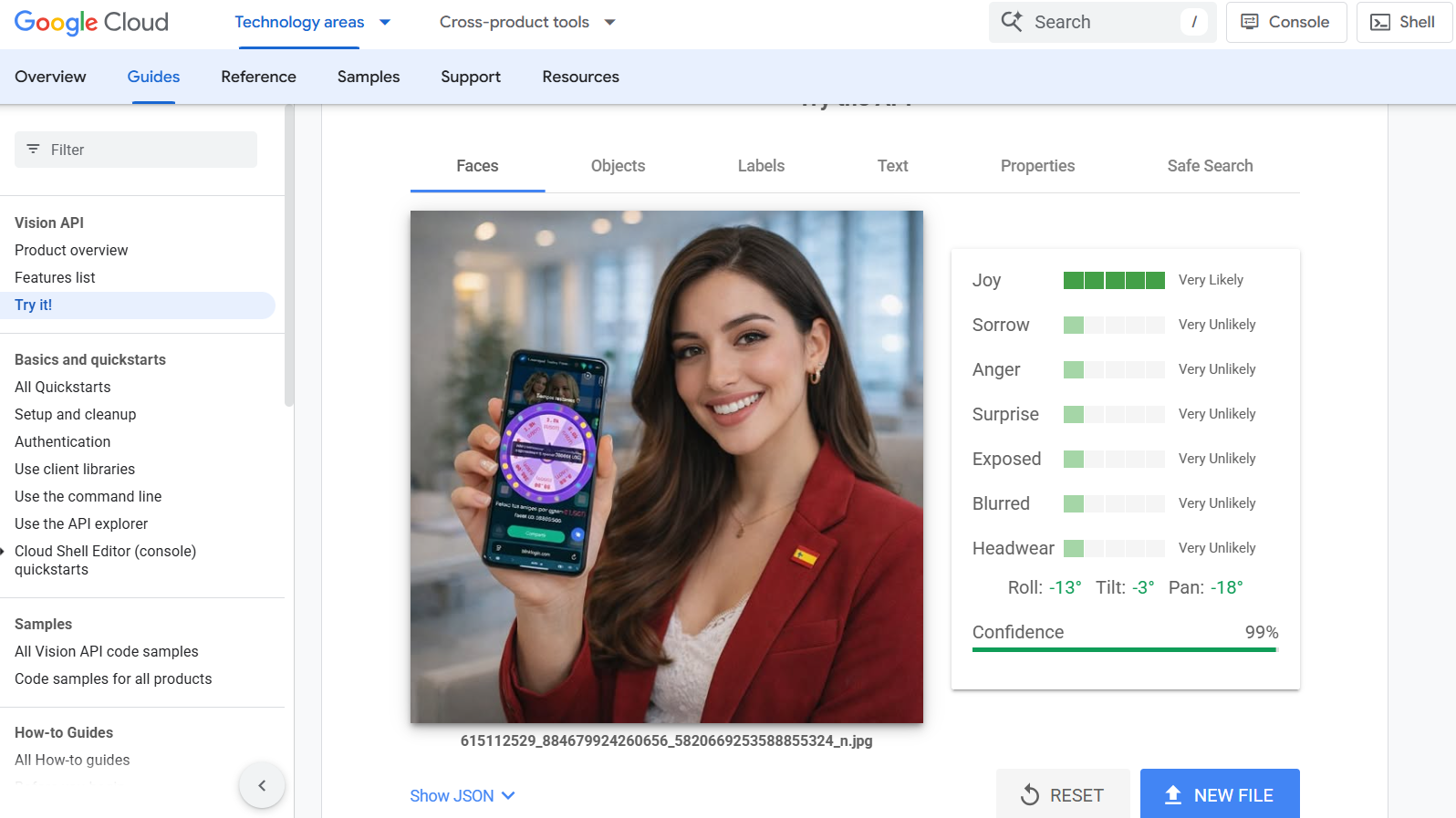
Let's be honest: 90% of the time, affiliates use generated safe pages and just swap headers and images. This no longer works because the Vision API scans every visual element for thematic consistency. Your theme must be evident not just in "alt" attributes, but even in filenames (e.g., use base_study_cryptocurrencies.webp instead of crypto_land322.webp). Even a slight discrepancy can be interpreted by Google’s paranoid system as an attempt at cloaking. The algorithm is trained on millions of examples; it knows exactly what a Ponzi scheme site looks like compared to a local coffee shop's site.
A quick word on navigation and footers: AI checks if the legal data in the footer matches what you provided in the Advertiser Verification section. If your safe page says "LLC Smith" while your payment profile shows agency data or a completely different name, it triggers a Business Operations Verification—which is impossible to pass on a "fake" safe page. This is where many affiliates lose their accounts. The agency model helps bypass this at the start. Trusted agency accounts from YeezyPay come with verified payment data and a transparent billing history, reducing the risk of automated document requests. However, the safe page should still contain neutral info that doesn't defy logic. It’s better not to use fake LLCs at all; instead, frame the site as an enthusiast blog or a neutral aggregator where having a legal entity isn't mandatory.
What a Safe Page Must Have in 2026
To pass AI moderation and manual checks, your white page must meet high-quality web standards. First off, it has to be fast—don't skimp on hosting. Slow load times lead to poor User Experience, and Google is obsessed with that.
What makes a site "solid" in the eyes of a robot:
-
Real functionality, not imitation. If there’s a "Buy" or "Sign Up" button, it should open a form or lead to a checkout (even a test one). If there's a search bar, it should work. Dead UI elements are caught instantly.
-
Deep structure. Have at least 3-5 internal pages with unique content (articles, FAQ, Privacy Policy). AI is very meticulous about checking the sitemap.xml.
-
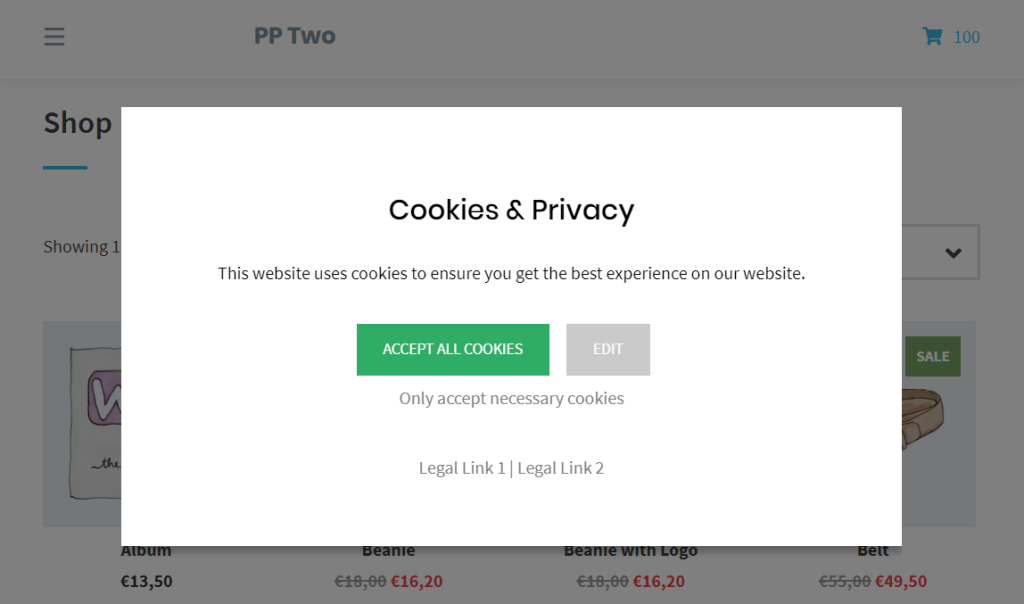
Cookie Policy compliance. In Europe and certain US states, a site without a working Cookie pop-up is considered non-compliant. For Google, this is a key marker of a legitimate business.
-
Responsive design. Google uses Mobile-First indexing. If your white page looks broken on an iPhone, you lose trust points. Vision even checks for overlapping elements.
Creating safe pages is now a full development process. You can't just rip a site and swap the text. You need to build pages on builders like Webflow or use high-quality, paid WordPress themes while stripping out the junk code. Using AI for content generation is fine, but you must proofread it. Gemini easily recognizes "lazy" AI text from its colleagues like ChatGPT or Claude, especially if it’s nonsensical or full of fluff.
Visual cleanliness also means avoiding aggressive triggers. Countdown timers, flashing buttons, and ALL-CAPS headlines are typical patterns of scams and low-quality affiliate ads. White-hat businesses behave more reservedly. If you want to pass moderation easily, mimic a "boring," calm corporate style. The more "correct" and mundane the page looks, the fewer questions Vision models will have.
Final Thoughts
We have entered an era where the "wrapper" is just as important as the "filling." Running Google Ads now requires investment not just in accounts and cloaking, but in front-end development. This raises the barrier to entry, filtering out those stuck in 2020. For the pros, this is a win—the auction becomes cleaner, and quality prep pays off with stable spend and long-lasting campaigns. Trust is earned through a combination of factors: a solid agency account with a clean history + a high-quality white page + an aggressive landing page. That is the only formula that works long-term in 2026.


