


Why $5 Daily Spends No Longer Build Google Ads Account Trust
Even though the reality has long since shifted, affiliates stubbornly cling to old myths. One such legend is the belief that to run grey-hat niches, all you need is to warm up a farmed account with micro-budgets. The scheme is as old as time: a buyer takes a month-old warmed account, launches an innocent video or runs white-hat e-commerce from Amazon at $5/day for a few days, pauses, and then starts killing old keywords to add new ones for Gambling or Crypto. While this used to work, today this approach can do more harm than good for your campaigns and accounts. Google’s algorithms don't see this as an honest advertiser trying to promote a business, but as a clear bot farm pattern. If an affiliate is still wasting time imitating activity for pennies, they are voluntarily flagging to Google that they are about to start running "prohibited" content.
Algorithms See Patterns, Not Intentions
Unfortunately, in the hunt for profit, even experienced media buyers forget that Google is constantly learning from billions of actions. The system has long since mastered the typical behavior models of small business owners. A flower shop owner is unlikely to launch ads at $5 a day. It’s especially suspicious if, a week later, they start selling male enhancement products with an aggressive landing page. A typical white-hat business, even with a lead form on the landing page, is more likely to launch a campaign aiming for calls or sales and gradually optimize the budget.
Affiliates, on the other hand, use dozens or even hundreds of accounts, and their actions look like they were made with a carbon copy:
-
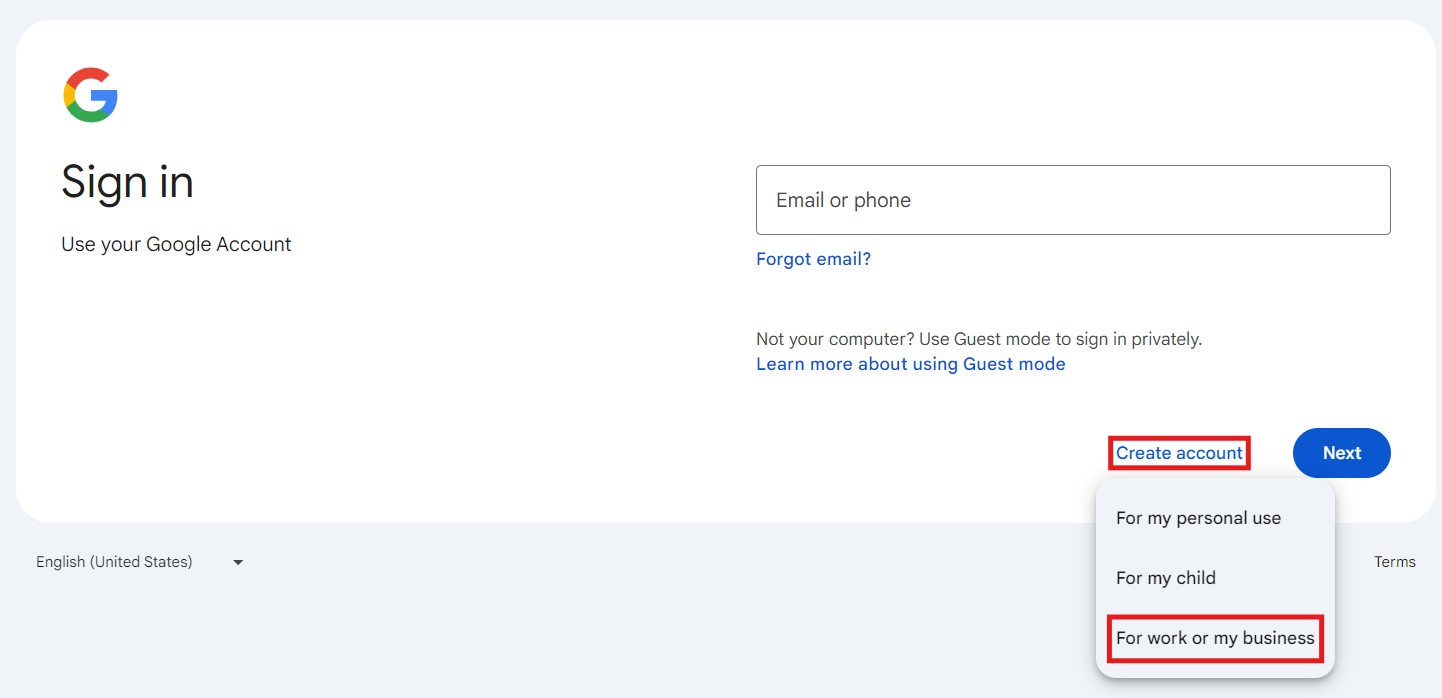
Signing up
-
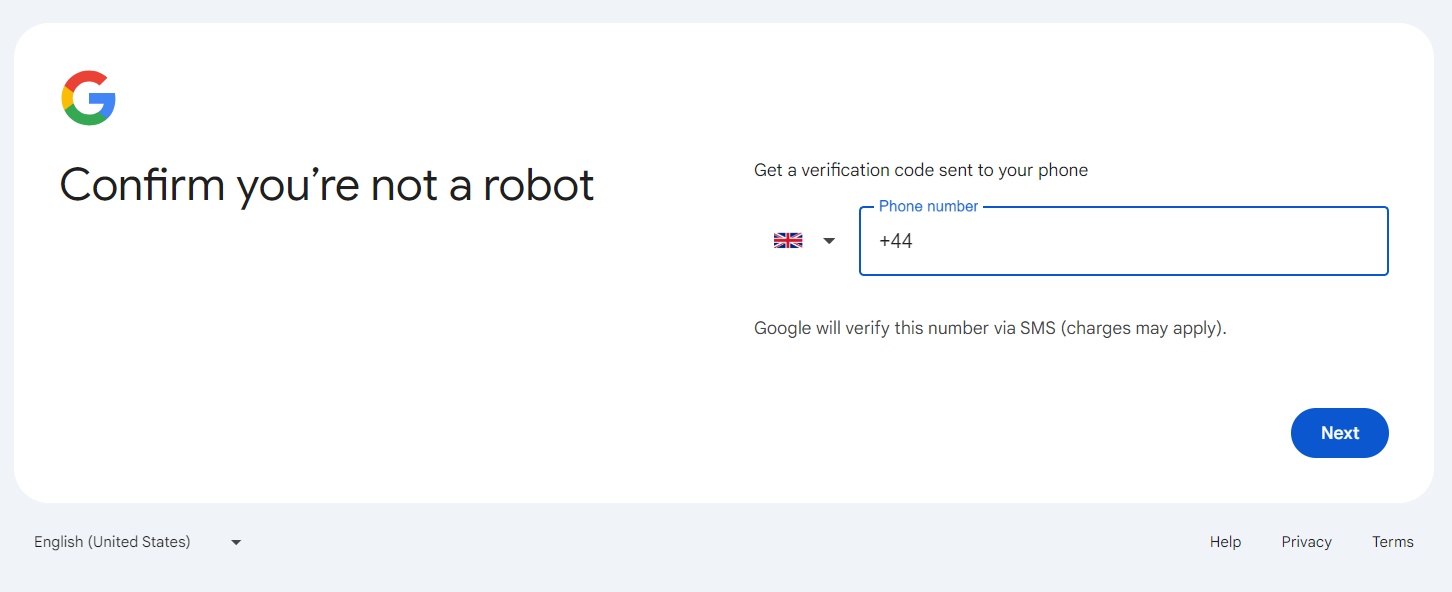
Phone number linking
-
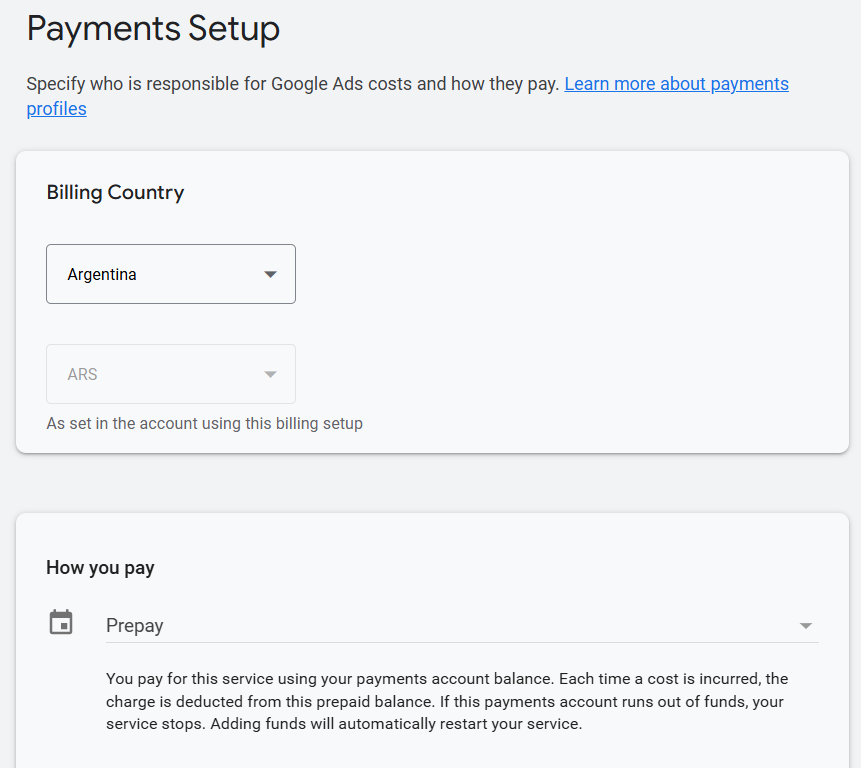
Payment method (billing) attachment
-
Browsing a pack of niche sites and YouTube videos
-
Launching a "trash" campaign on a minimum budget
Given that there are hundreds of thousands of affiliates running grey-hat verticals, this constant influx of campaigns from accounts aged between 1 month and 3 years (after "aging" or "parking") looks like a coordinated attack to Google’s anti-fraud system. In short, so-called "warming up" actually serves as a signal to the AI that the account isn't held by a real advertiser, but by another buyer trying to game the system. It’s logical: the more accounts media buyers run through the same funnel, the faster Google trains its filters to ban suspicious accounts even before the main offer launch.
Lack of Anomalies as the New Trust Criterion
Account trust has radically transformed. It’s no longer about abstract "points" accumulated during parking (aging). For example, browsing the web, using Google services, or linking the account to third-party sites can provide trust, but tiny ad spends cannot. Now, this metric is further defined by the absence of anomalies in the advertiser’s behavior. Although Google’s main goal as a business is to make money on ads, its algorithms now perceive any deviation from the norm as a potential risk. A $5 daily spend when linking a high-BIN card or a new virtual card (VCC) is also an anomaly, as Google sees no economic sense in such actions.
Based on billions of examples, the system understands that a real white-hat business is ready to spend money, and entering an auction implies adequate budgets that at least roughly match market rates. In short, by trying to "save on matches," affiliates trigger account reviews for payment data. Practice shows that farms often get hit with "Suspicious Payments" exactly at the moment they switch from penny-pinching to real budgets.
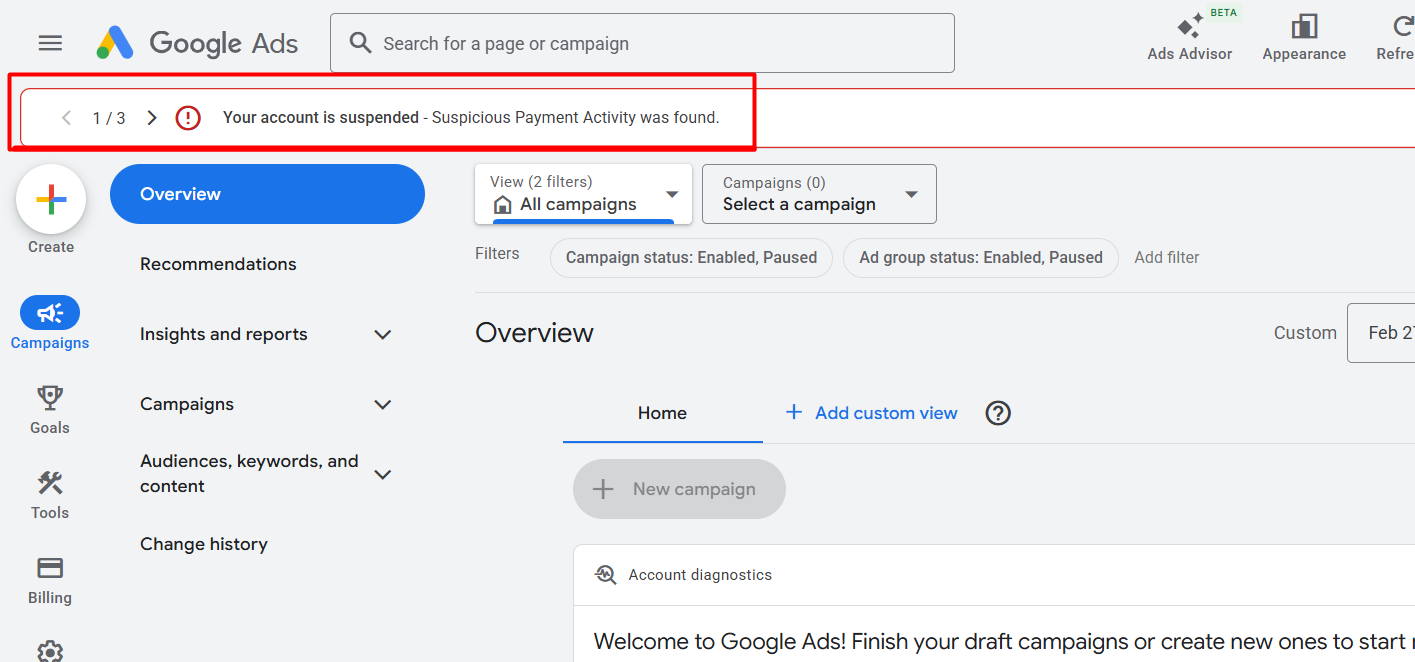
The main problem with DIY or even purchased farms is that in 90%+ of cases, the buyer has no way to show the system a valid financial history from the start. And if that's the case, you need to find workarounds.
Trusted agency accounts, which can be obtained at scale through the YeezyPay service, inherently lack the financial anomalies described above, as they are part of a large, trusted profile with a proven history and high spends. This means there are far fewer issues passing the "solvency filter". Instead of proving their worth to Google through humiliating micro-payments, the buyer immediately shows that a verified structure stands behind their ads. The system sees a "normal" payer and gives the green light to run ads.
Why the "Sandbox" with Micro-Spends Kills Profit
Let’s look at another reason to ditch the micro-spend strategy: loss of time and momentum. Many know that Google Ads places new accounts without history in a kind of "sandbox," where reach is intentionally throttled, bids are inflated, and moderation takes longer than usual. Attempting to warm up such accounts with a couple of bucks only extends the stay in this limited-trust zone. In practice, affiliates waste days, sometimes weeks, waiting for the system to allow them to scale their campaigns.
In grey-hat verticals, speed is everything. If you warm up ten "self-registered" (self-reg) accounts for 3-7 days each, a new offer might burn out, or competitors will snatch up the best traffic. For truly effective warming, you need a daily spend of at least $50-$100 on relevant "white" topics, but that just uselessly eats up the budget. You can eliminate the "sandbox" phase entirely if you change your operational foundation.
Working with YeezyPay, an affiliate gets access to accounts that have already passed the initial "sanity check," which partially solves the problem of slow campaign ramp-ups. In short, you don’t have to wait for mercy from the algorithm to prove you aren't a bot. The agency status of the account allows you to enter the auction with working budgets almost immediately after setting up the campaign. This tool allows you to test angles (creative/offer combinations) here and now and get relevant stats, rather than waiting for Google to deign to give you some impressions.
Sudden Spikes as a Ban Trigger
Another nail in the coffin of the "$1-5 warm-up" method is the reaction to scaling. Imagine the warm-up went well. The buyer switches to the target campaign and sets a $100-$200 budget. Even with the same IP address, the system might view this as an account hack or fraud. Yesterday, the advertiser spent pennies on cat videos, and today they suddenly decided to spend hundreds of dollars a day while testing suspicious keywords. An automatic security trigger fires, and the account is frozen or banned for "Circumventing Systems."
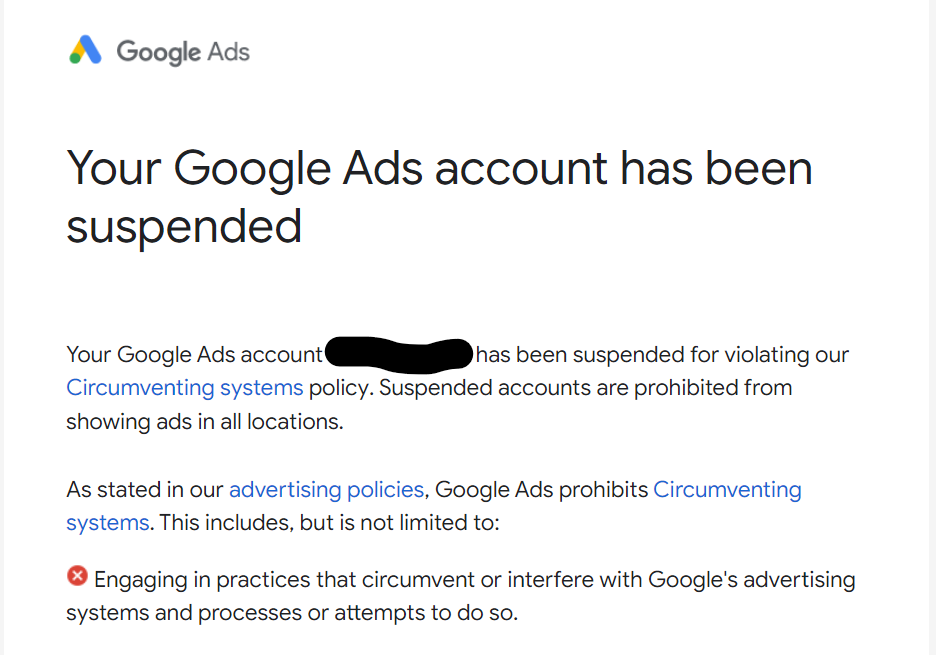
Google protects users from situations where compromised accounts are used by scammers. The micro-spend warm-up scenario perfectly mimics this behavior pattern. To avoid this, the transition must be gradual, which again leads to a loss of time. Ideally, you should have a credit limit and a history that allows for such jumps from the start.
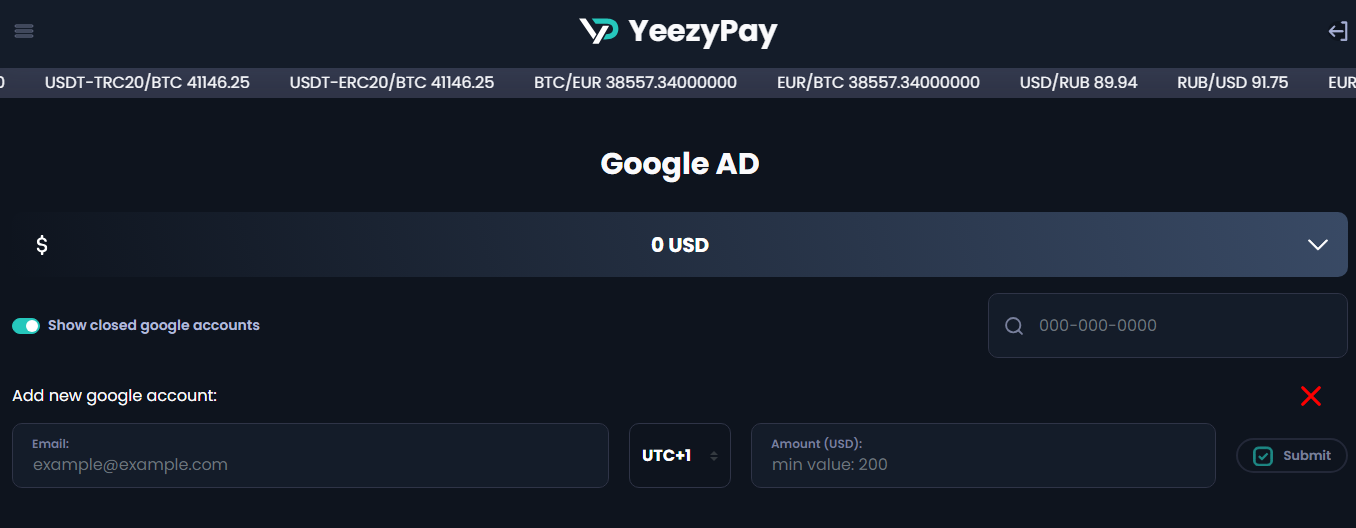
A solo buyer using a self-registered account will find it hard to explain such a shift in direction to support. Usually, appeals for such bans aren't even read by real people. Working within an agency infrastructure provides more flexibility in budget management. The YeezyPay service provides the necessary "trust cushion" for such maneuvers. When a real and verified Google business partner stands behind the account, algorithms react more softly to changes in daily limits. This solves the ban problem during scaling, allowing you to increase spend once a campaign "hooks" (gets traction), rather than when the system allows it. Furthermore, even in the event of a ban, the service team handles the communication with support. If an account is hopelessly locked, the remaining balance is simply transferred to another account and a new campaign is launched.
Infrastructure is More Important Than Rituals
All these "dances with tambourines" around $2 warm-ups didn't appear out of nowhere; they were born from a lack of quality resources. Buyers tried to compensate for weak setups with "aging" (parking) time. But in today’s reality, technical specs carry more weight than behavioral imitation. Google looks at the "cleanliness" of the digital fingerprint, proxy quality, and, above all, the billing and account history.
Attempting to fool behavioral analysis neural networks with cheap tricks is increasingly doomed to fail. For example, even when using a high-trust setup with "whitened" (compliant) landers and creatives, if you pre-warmed it with a $5 daily spend, the system detects a clear mismatch between the claimed business and the real actions in the account. Imagine an affiliate running a crypto offer with a site that looks like a serious financial or educational resource. Since ads have already been running with a budget equal to a school lunch, this dissonance leads to a ban or freeze.
The New Launch Standard
Today, trust is bought not with time, but with infrastructure quality, and micro-spends help less and less. To run ads stably, you need to act like a major advertiser, not a guerrilla fighter, so you should:
-
Ditch the pointless budget-burning on video campaigns and Display Network (GDN) placeholders if they don't bring ROI value.
-
Use budgets adequate for the niche of the main offer from day one.
-
Ensure perfect technical parts (fingerprints/proxies).
-
Choose accounts with a proven history of spends and actions without violations.
Running grey-hat verticals in Google Ads is becoming an increasingly professional market, leaving less room for 2020-era schemes. Google is making it clear: either everyone plays by real business rules with transparent budgets and clear structures, or they are out of the game. Instead of looking for new ways to warm up new accounts, it’s easier and more profitable to invest resources into accessing trusted agency accounts, where the media buyer doesn't need to prove the "sanctity" of their intentions. This is the only way to ensure stable spend and the survival of your campaigns and accounts in a highly competitive environment.


