


How Google Is Treating Agency Accounts in 2026 — and What It Means for Affiliates
Since April 2025, Google Ads buyers have been weathering another long “storm.” Algorithms have become ruthless, wiping out accounts in bulk — and agency accounts haven’t been spared. What seemed like a rock-solid foundation just a year ago can now be gone in a matter of days, even when running white-hat warm-up campaigns. Endless verification requests, bans for “circumventing systems,” and strange algorithmic behavior have become part of the daily grind.
But let’s make one thing clear: not all “agency accounts” are created equal. The ones being mass-sold by low-tier resellers in India are nothing like legitimate, high-trust agency accounts.
Today, YeezyPay, a platform that provides affiliates with access to verified, high-trust Google Ads agency accounts, breaks down how Google’s relationship with agency accounts is actually evolving — and what advertisers should expect next. Is Google truly tightening control, or is this just another temporary wave of bans everyone has to ride out?
What’s Changed — and Why “Trust” Is Now Under the Microscope
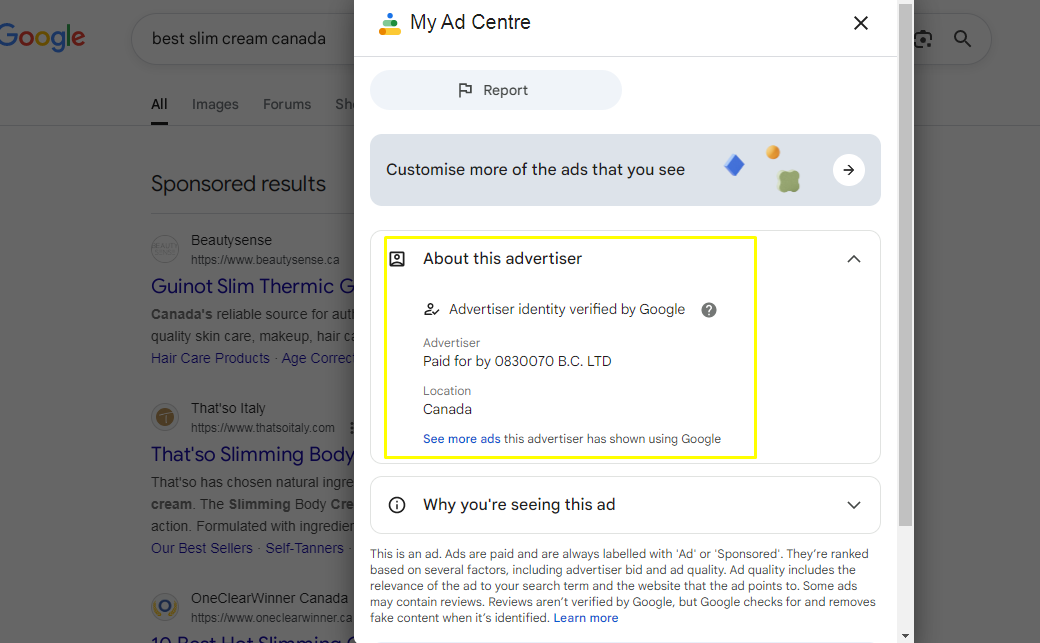
The defining trend in Google’s 2026 approach to advertisers is its obsession with transparency — not just in ads, but in the advertisers themselves. Google now wants to see the entire chain, from the business owner down to the final payer.
It would be dishonest to pretend that agency accounts — which for years existed in a sort of “grey zone” — escaped this crackdown. They didn’t. But Google still treats them more leniently than self-made or personal accounts.
Whereas before you could get by with basic advertiser verification, Google now digs deeper.
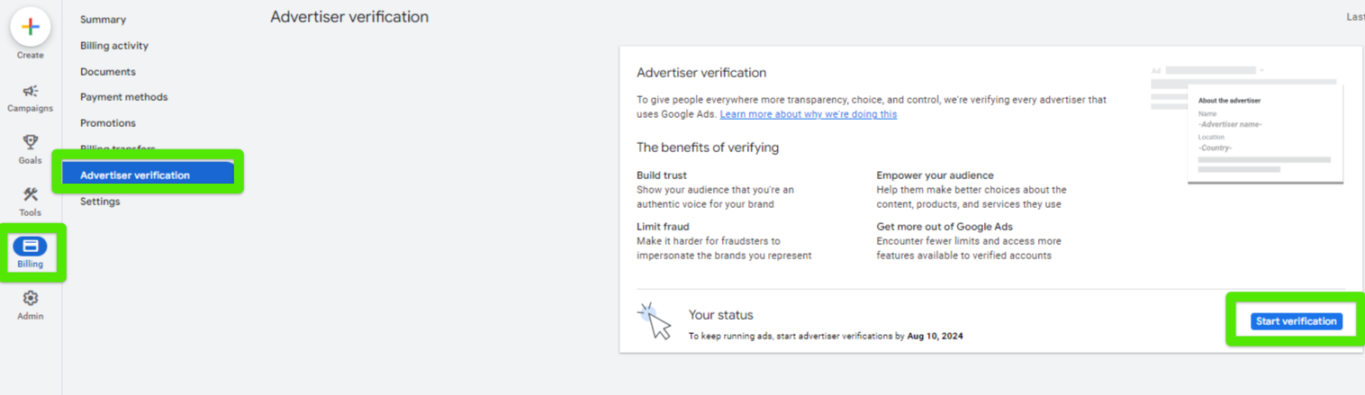
In practice, more media buyers have noticed that the platform frequently requests Business Operations Verification — essentially, proof that your business is legitimate, active, and compliant. In simple terms, Google no longer wants to serve ads for anyone who pays, even indirectly violating its rules.
This doesn’t mean Google is anti-business — it’s simply tightening its system. The company now wants to know not only who the advertiser is but what they do and where the ad money comes from.
That’s a big problem for many solo affiliates and teams who aren’t ready to reveal their full operations. The document verification process can drag on for weeks, killing campaign momentum and freezing profitable funnels.
Naturally, many turn to agency accounts — where all the headaches with bans, payment methods, and appeals are handled by the service provider. For example, with YeezyPay’s agency accounts, a buyer gets an already verified ad account that has passed all internal checks through an official agency. The trust from that master account automatically extends to every linked Gmail.
That means the affiliate doesn’t have to prove to Google that they’re legitimate. And unlike most providers, YeezyPay doesn’t restrict its users from running gray-hat verticals through its agency accounts.
One Gmail Can Sink an Entire MCC
The biggest and most dangerous change in Google’s recent policy affects third-party relationships. In plain English: if even one problematic “client” is found under an MCC (Manager Account), the entire network can go down with it.
This is the so-called “chain ban” that affiliates dread. Once Google’s system detects a policy violation in one sub-account, it flags the whole MCC as “risky” and wipes everyone connected — until it finishes investigating.
In the past, multiple buyers could safely coexist under one umbrella account. But now, in its quest for total control, Google’s approach has turned random and unpredictable.
For instance, imagine two affiliates working under one agency account:
-
One runs a gambling campaign with perfect cloaking and clean flows.
-
The other launches something much riskier — and gets banned.
The result? Both can go down. Google’s algorithms prefer to suspend everything first rather than sort out who’s at fault.
According to Google’s updated Third-Party Policy, the company reserves the right to temporarily suspend any client account linked to an MCC until the cause is identified. In some cases, the only way to continue running ads is to disconnect the affected client entirely from the MCC.
That’s why more affiliates are now choosing setups with isolated risk environments. YeezyPay solves this by providing access to high-trust agency accounts across 10+ GEOs, each carefully managed to avoid “toxic neighbors.” Every client operates in a clean, isolated space — no shared risk. And if an account does get suspended, the remaining ad balance can be withdrawn or transferred to a new account.
Google’s AI Is Now Proactive — and Paranoid
Google’s AI systems have become smarter and, frankly, more paranoid. They now analyze not just the final ad version but all activity inside the account.
Officially, Google calls this the Quality Score, but what’s really happening is a shadow audit — a continuous behavioral analysis that shapes the account’s internal reputation.
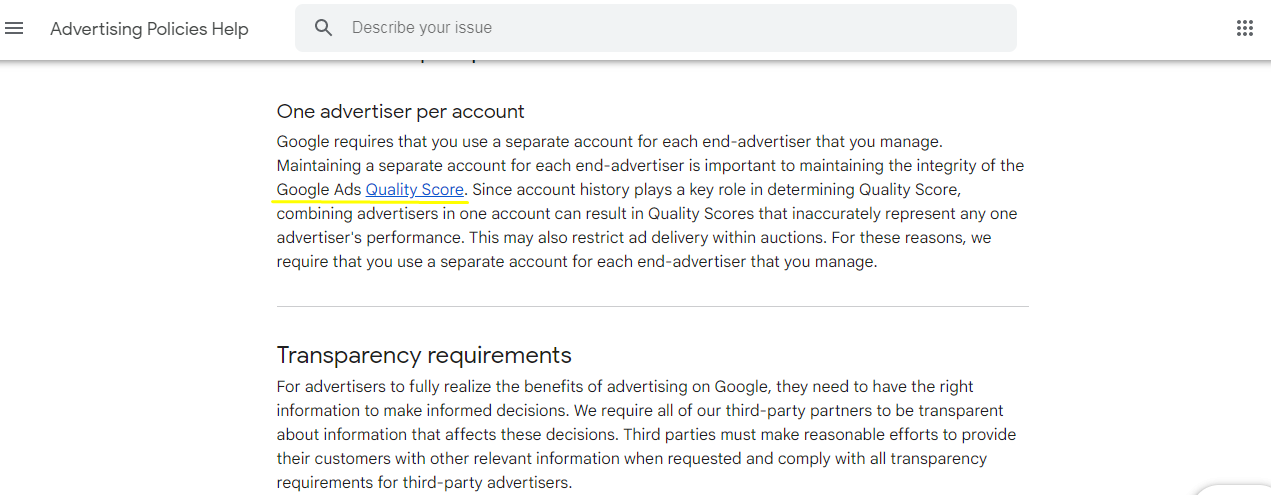
If your account accumulates negative scoring, the system deliberately increases your CPC, throttles impressions, and triggers more frequent manual reviews. That’s why starting with verified, high-reputation agency accounts has become critical.
Working with accounts that already carry a positive trust history and a “credit of legitimacy” makes scaling much easier. Google’s systems treat agency accounts from YeezyPay as serious, established advertiser profiles — not fresh, risky ones. Even sudden budget increases on such accounts are far less likely to trigger sanctions or reviews.
Conclusion
Google isn’t exactly “cracking down” on agency accounts — it’s simply holding them to the same transparency and quality standards it applies everywhere else, adjusted for their higher spend and operational scale.
In reality, all these new policies introduced in 2024–2025 have transformed agency accounts into zones of heightened responsibility — primarily for providers, not affiliates.
That’s where services like YeezyPay come in: their team takes full responsibility for maintaining account quality, reputation, and trust.
For affiliates, the strategy shift is simple — focus on clean, isolated, and trusted channels. In 2026, account quality and reputation matter even more than the quality of your funnel. Those who understand this early will keep scaling, while everyone else keeps complaining about bans.


