


Trust Issues? Google’s AI Is Banning Affiliates “Preemptively”
Over the past few months, affiliate chats and forums have started to look like group confessionals. Messages about bans in Google Ads are now coming not only from those running gray-hat campaigns — but even from affiliates who have been running 100% compliant, white-hat verticals for years.
Many affiliates spend weeks building clean campaigns, completing Business Operation Verification (BOV), making sure everything runs like clockwork — and then, one day, they wake up to a permanent suspension for “Circumventing Systems” or some other vague reason that only Google’s algorithm understands.
Appeals? Those are being rejected more frequently, too — often with the same boilerplate response about “cloaking,” even when no cloaking was ever used.
This is the new reality of Google Ads in 2025.
The team at YeezyPay, a platform that provides access to trusted agency-level Google Ads accounts, decided to break down why Google’s AI has become so paranoid — and how affiliates can keep scaling profitably even under these conditions.
The Logic Has Changed: Google’s AI Is Now “Preemptively Defensive”
The main reason even legitimate advertisers are getting permanently suspended comes down to one thing: Google’s risk-avoidance model has evolved.
Its AI now works on a precautionary principle — similar to a “Skynet-style” defense system. Instead of waiting for actual violations, it flags and bans accounts based on the probability of potential harm to users or to Google’s reputation.
If the system detects certain behavioral patterns, it can label an account as “suspicious” and suspend it proactively, simply to minimize risk.
Even though Google’s ultimate goal is to make as much money as possible, the company has found it easier to issue an instant suspension and let “real” advertisers fight their way back through support — instead of risking a policy breach that slipped through the cracks.
Many affiliates mistakenly believe that completing BOV grants them immunity from bans or freezes. In practice, it doesn’t. Even after verification, a farmed or newly created account is still considered “low trust” until it builds a long-term, stable ad history.
Verification only confirms that your business exists — not that Google’s AI trusts it.
Some experts even speculate that Google’s algorithms cross-reference the number of active Gmail accounts with global user activity patterns. Of course, nobody forbids creating multiple accounts, but realistically, how many “new users” launch ad campaigns immediately after signup?
Invisible Triggers That Flag Your Account
So what exactly is triggering Google’s AI if you’re not using cloaking or any black-hat tactics?
Based on community discussions and insider insights, here are several invisible factors that can lead to an instant suspension — even for compliant advertisers:
1. Account history matters more than verification.
A newly verified account is still suspicious in the eyes of the system. What Google’s AI really wants to see is stability: consistent ad spend, regular traffic, and long-term usage patterns.
That’s why aged accounts with proven spend histories are so valuable. Many affiliates now skip the painful warm-up phase by starting from trusted agency ad accounts, like those available through YeezyPay. These accounts already come with a strong internal trust rating, allowing you to bypass the “newbie suspicion” stage completely.
2. It’s about patterns, not actions.
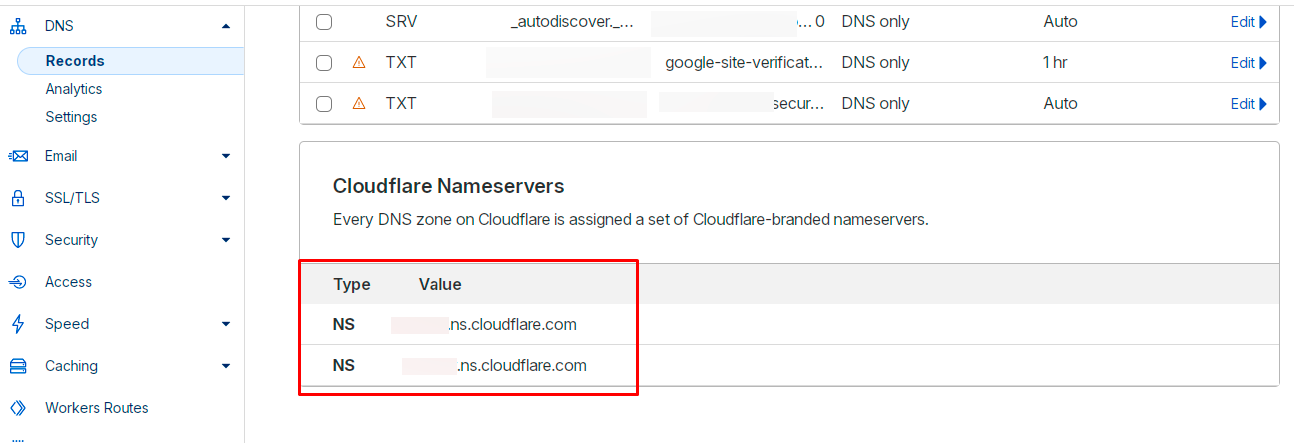
Google’s AI doesn’t just detect cloaking — it identifies behavioral patterns common to affiliates and media buyers. Frequent edits to ads, similar domain structures, or even recurring DNS/CDN fingerprints across different accounts can trigger a flag. That’s why some affiliates now create separate Cloudflare accounts for each landing page — to diversify technical footprints as much as possible.
3. Topic and keyword sensitivity.
Even within white-hat niches, there are “borderline” themes that trigger extra scrutiny. Examples include ads related to nutrition supplements, citizenship/legal services, or financial consulting — all of which fall into categories that Google considers high-risk.
If your offer belongs to one of these verticals (including sweepstakes or social casinos), Google’s AI may decide to act preventively, suspending your account before your ad spend even ramps up.
What to Do When the Ban Hits
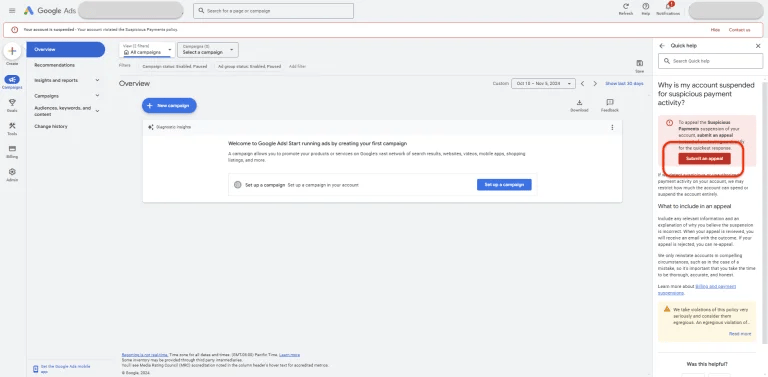
Even if you’re 100% sure you did everything right, your first appeal might still be rejected automatically. But don’t panic — that’s not the end of the line.
In cases of preemptive suspensions, it’s actually possible to get your account reinstated — if you know how to approach it correctly.
The problem is that for solo affiliates, communicating with Google’s automated support system is like shouting into the void. The AI usually replies with templated responses, and reaching a human operator can take weeks.
That’s why many affiliates and teams choose to work through agency ad accounts.
When a ban hits a regular farmed account, the affiliate must go through the appeal process alone — trying to get past Google’s bots. But if the suspension happens on a trusted agency account from YeezyPay, the appeal is handled directly by the YeezyPay manager. They communicate with Google Ads support on your behalf, have direct contact channels, and know how to phrase arguments so that Google’s team takes them seriously.
This drastically increases your chances of getting reinstated — while saving you days or even weeks of lost time. In other words: you keep your focus on traffic and profit, while professionals handle the bureaucratic chaos.
Learning From the Ban: Why It Matters
When a farmed account gets permanently banned, the affiliate often never learns the real reason why. That’s how people end up repeating the same mistakes — losing account after account.
Experienced YeezyPay account managers, on the other hand, can often get more detailed feedback from Google support — insights that ordinary users never receive.
They can identify exactly what triggered the suspension:
-
Was it the landing page structure?
-
A particular keyword?
-
A domain-level pattern?
This feedback is invaluable. It helps prevent the same mistake on the next account and makes your setup far more stable in the long run.
The Bottom Line: It’s Not About Being “Sneaky” — It’s About Being Trusted
Google hasn’t suddenly become “evil.” It’s simply become extremely cautious.
By embedding AI deeper into its anti-fraud algorithms, the system is now built to overreact — to block first and ask questions later. In 2025, success in Google Ads depends less on clever tricks and more on the trustworthiness of your advertising infrastructure.
Working through trusted agency accounts isn’t a luxury anymore — it’s a basic survival tool.
And with platforms like YeezyPay, affiliates can launch and scale campaigns safely, skip the painful warm-up phase, and stay focused on what actually matters — profitability.


