


Google Ads Campaign Is Active, But Impressions Are Zero: Why and What to Do
Even with campaign setups proven on other accounts, many media buyers working with Google Ads face a situation where the campaign has passed moderation and all ads are approved, yet there are zero impressions or clicks even days after launch. With such a "freeze," there isn’t a single visible error in the dashboard. However, as experienced affiliates have observed, there are plenty of reasons for this behavior. It could be a hidden shadow check by the platform, a mistake by the affiliate in auction settings, or something else entirely. Let’s break down several real-world situations from the daily practice of media buying teams and solo affiliates and provide practical ways to solve these problems.
Account "Shadow" Security Check
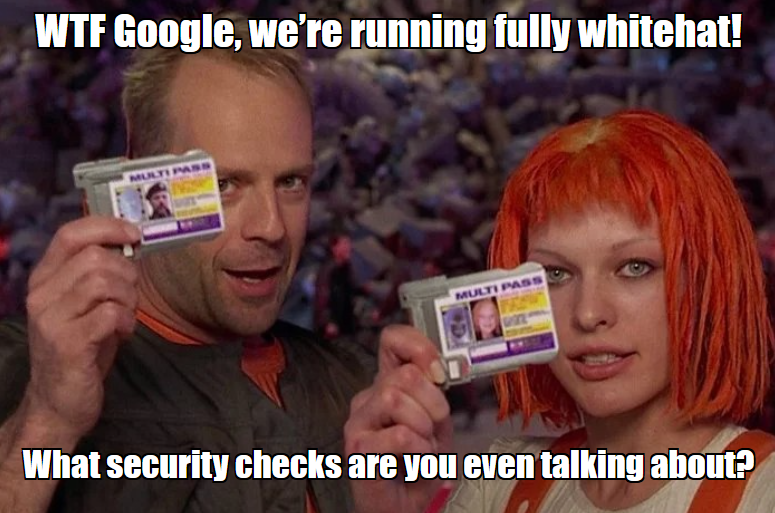
One reason for a sudden stop or a complete lack of impressions right at the start is an invisible security check on the account. Those who run gray-hat offers experience this freeze more often than others. In the dashboard, everything looks fine: the campaign status is active, and there are no warnings. Some affiliates notice that the Google algorithm triggers such a shadow freeze of the entire account during sudden internal changes.
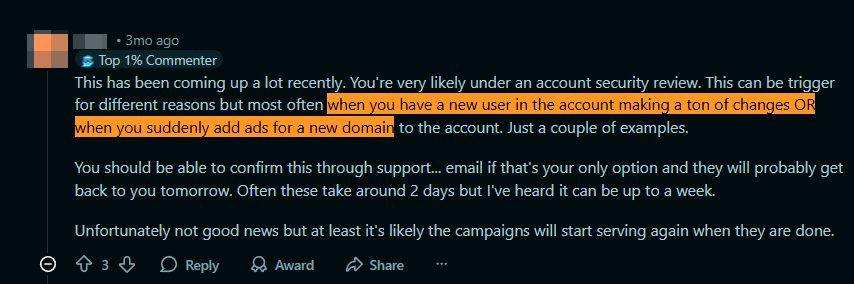
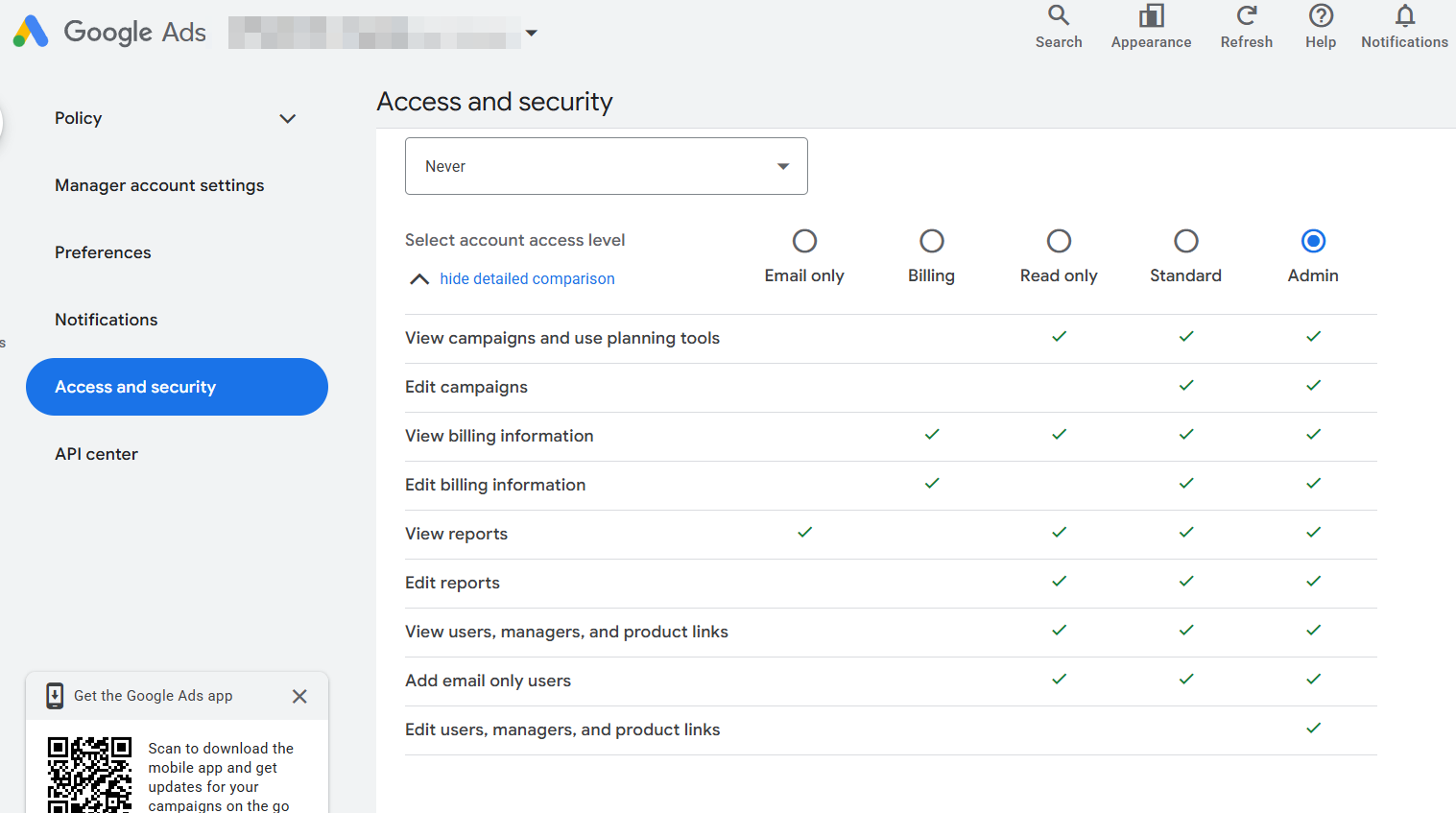
For example, it could be as harmless as adding a new admin user who starts editing campaigns.
Another typical trigger is linking a new domain. The algorithm instantly stops spending for a deep check. At this point, the forecasting tool breaks, new campaigns stop entering the auction, and support channels simply vanish, leaving only email as a contact option.

Usually, in such cases, Google’s internal audit takes 2–7 business days. Furthermore, some affiliates have noticed that when adding new domains, moderators may perform a test order or fill out a form on the white page as part of an additional review. While the affiliate waits for the check to end on one account, the campaign angle might burn out.
Constant manual reviews and freezes have recently become a persistent problem for standard self-registered accounts. Working through trusted agency accounts from YeezyPay helps solve this issue. Due to the high initial trust of such accounts, new domains and campaigns are much more likely to get approved without falling into long shadow security checks. In short, you can launch your campaign and start getting impressions on the very first day. If Google has questions about potential violations, the service team handles all communication with support and appeals. In the event of a permanent ban or prolonged moderation, the affiliate can simply transfer the remaining budget to another account within the service and launch a new campaign.
Errors in Bidding Strategies and Budgets
Many affiliates intentionally set a minimum daily spend to test a campaign angle for pennies. However, practice proves this approach to be flawed, as an excessively low budget simply doesn’t allow the campaign to enter the auction. In one of our previous posts, we discussed how a micro-spend strategy during account warm-up can land you in a sandbox, where Google intentionally limits impressions or, if they do occur, inflates the price.
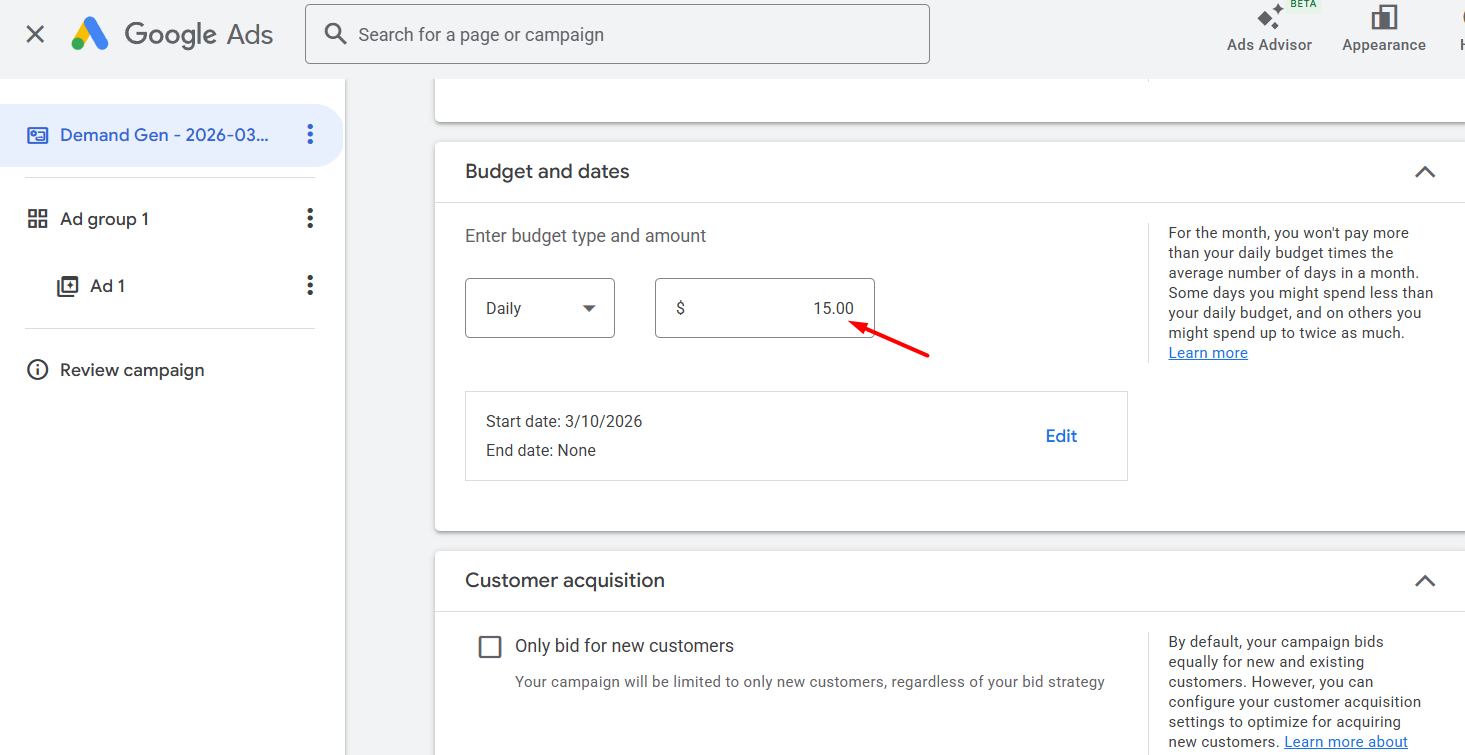
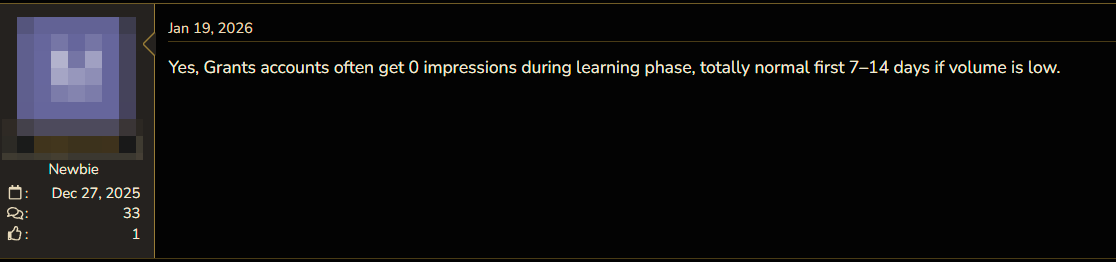
In essence, the system sees narrow geo-targeting and a competitive niche, realizing the mathematical inability of the bid to secure even a single impression. Keywords fall below the first-page bid threshold. If automated strategies are used, strict limits kill spending entirely. An undercut Target CPA gives the algorithm no chance to hook the target audience, as it needs "breathing room" to find relevant users. New campaigns often enter a learning phase that can last up to fourteen days, and zero impressions are considered normal when the audience volume is small.

When successfully scaling working campaigns, media buyers often sharply increase the daily budget, which triggers Google’s Suspicious Payments flags and stops impressions. Using the reliable infrastructure of YeezyPay solves the platform's financial trust problem. The service takes on all risks associated with payment systems, allowing you to freely manage budgets and scale spending without the fear of hitting a billing ban at the peak of conversion.
The Hidden Trap of Google Keyword Planner
Many affiliates blindly trust statistics from Google Keyword Planner without considering that some keywords might be targeted by the advertiser’s internal buying team, an affiliate network (CPA network), or a large media buying team. To better understand this, let’s look at a classic situation where a major advertiser or casino brand has been buying Google ads for a year. Naturally, the Planner accumulates luxurious statistics with millions of monthly impressions for brand keywords. However, even after the advertiser completely stops buying traffic, the Planner may retain these promising figures for 2–3 months. An affiliate, confident in these numbers, picks up these keywords and launches a campaign, only to be surprised by zero impressions and clicks.
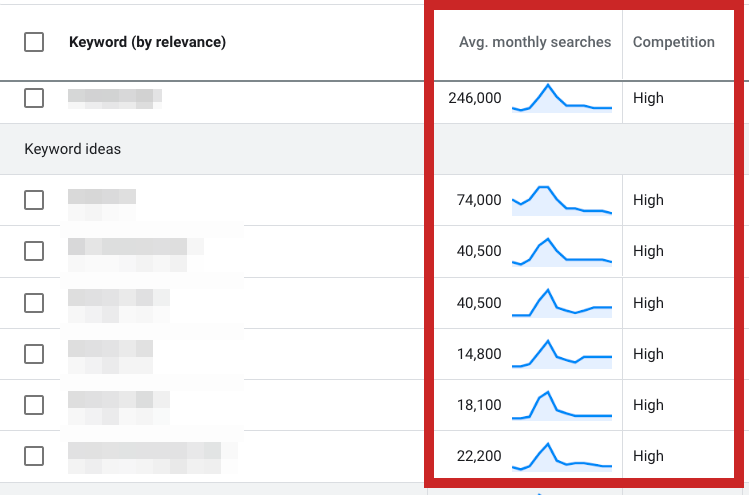
There is no traffic because live search queries for those keywords no longer exist. This positive statistic was artificially maintained solely by the specific brand's media activities. Furthermore, the Planner's analytics can show a distorted drop in dynamics. For example, an affiliate might see only a 15% decline in interest, while real live traffic has actually plummeted by 95%. In short, the affiliate wastes time building detailed ad sets for these "dead" keywords and ends up with crumbs or no impressions at all. It’s better to focus exclusively on fresh market trends rather than outdated metrics from free tools. For tracking and evaluating the real auction landscape, it is better to use third-party paid spy services.
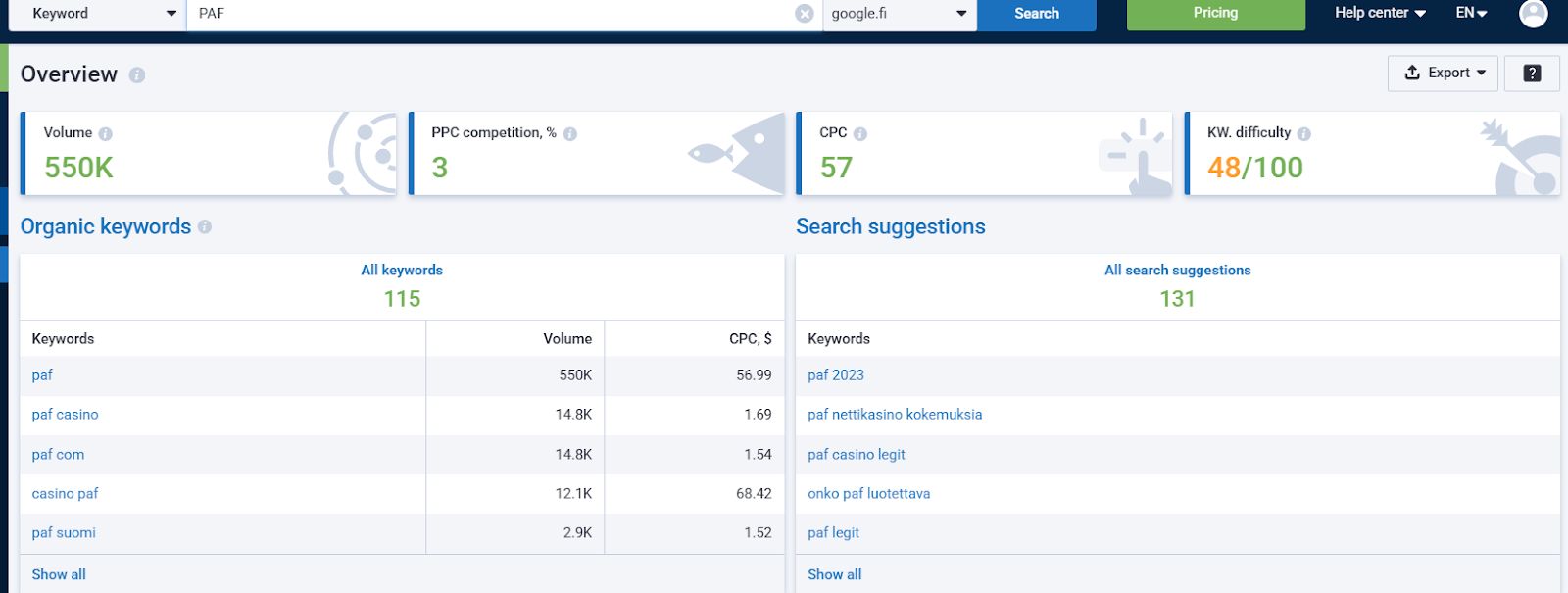
The opposite situation can also occur. A new offer starts buying traffic on Facebook and other social networks, gaining huge popularity in just the last month or so. In this case, Google Keyword Planner will likely show a modest 1,000 monthly queries. An affiliate used to working with large volumes might ignore it based on that low figure, while in reality, the offer could be exploding at that very moment, easily generating hundreds of thousands of clicks. Launching on a new keyword whose popularity is just emerging always has a better chance of high CTR and CR. It provides the highest quality traffic with no high competition in the auction.
Strict Targeting Limits and Ad Quality Score
Often, impressions don’t start because affiliates, without realizing it, slash their available audience by choosing extremely narrow geo-locations, setting strict hourly schedules, and adding long-tail keywords only in exact match. Much like micro-spends and tiny budgets, these conditions give the algorithm no room to work. Every additional filter cuts off a significant portion of potential leads. The quality of the ad itself also plays a role, and a low rating can kill impressions at the root. With a combination of weak copy, an irrelevant landing page, and a low historical click-through rate, the algorithm is unlikely to let the ad into a high-value auction.
A strong technical foundation helps bypass the eternal problem of low ratings and strict creative moderation. For instance, YeezyPay agency accounts have higher priority in the ad auction thanks to their high trust and clean history. On such accounts, the system is much more lenient toward creatives and potential violations, overlooking minor flaws that would lead to a shadow or actual ban on a standard warmed-up self-registered account. Launching from solid assets forgives many technical mistakes, though that doesn't mean they should be made intentionally.
Hidden Bid Thresholds and Learning Phase Hang-ups
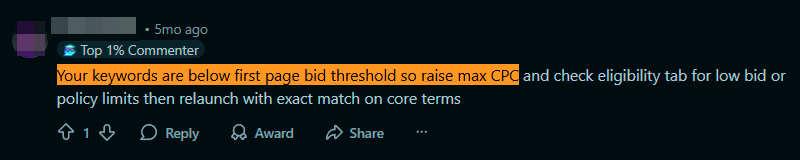
The system can also go into overdrive due to technical issues with the keywords themselves. Experienced affiliates are accustomed to checking the Quality Score for each individual keyword. If this score falls below 2, impressions can be completely cut even without official notice. Here's what affiliates have written about this on BHW and Reddit:

If very niche semantics are used, the situation can worsen, and such a phrase immediately receives an internal label of low search volume, physically dropping out of the auction until a sharp surge in demand occurs.
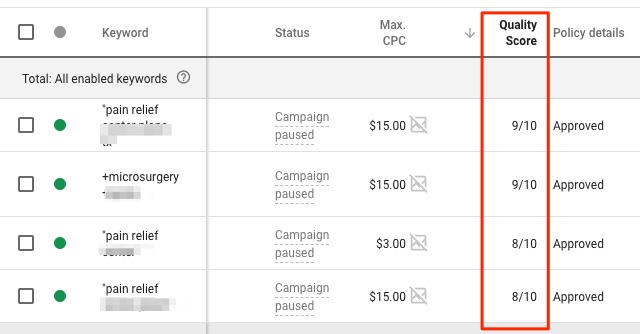
Another common systemic barrier is an unreachable first-page bid threshold. Simply put, the maximum CPC is just not enough to cover the platform's minimum estimated bid to start. In such cases, it’s recommended to temporarily switch to manual bidding for diagnostics, setting an artificially high CPC for just a couple of days. This gives the algorithm a powerful financial push to break through the "glass ceiling" of those first impressions. As mentioned above, automated strategies tend to idle for up to fourteen days in a deep search for a relevant audience. Running on specialized infrastructure helps shorten this painful period of inactivity. Campaigns based on YeezyPay service accounts learn significantly faster due to their clean collective history and lack of baseline trust limits, saving even gray-hat setups from getting caught in a loop of endless startup freezes.
Account-Level Issues and Hidden Policy Restrictions
Sometimes, the lack of impressions has nothing to do with the campaign itself but is rooted in the account's overall health. A common reason is a payment method verification. Even if your billing seems fine, Google might place a temporary hold on the account while verifying the validity of the card or the source of funds. During this time, campaigns stay active but simply don't enter the auction.
Another tricky situation is the "disapproved with exceptions" status. While your ads might appear to be approved, they could be restricted to certain regions or audiences due to policy nuances. If your targeting settings are already narrow, these hidden exceptions can effectively zero out your potential reach. It’s also worth checking if your domain has been flagged by Google's Safe Browsing. Even if the ad is approved, a flagged domain will cause the system to silently throttle your impressions to protect users.
Finally, ensure that your account hasn't reached a daily spending limit. New self-registered accounts often have an unwritten "probationary" spend cap that is significantly lower than your intended daily budget. Until the account gains more history, it will simply stop delivering ads once that invisible threshold is hit.
How to Get a Google Ads Campaign Moving
Experienced affiliates have developed a clear practical algorithm for quickly reviving stalled campaigns. To finally get those first impressions:
-
Copy and create the stuck campaign as new. This simple trick often resets internal algorithm and auction bugs and triggers spending.
-
Remove all strict Target CPA limits, temporarily switching the strategy to "Maximize Conversions" to collect data quickly.
-
Broaden the match types of problematic keywords to "Broad" and use smart bidding for an objective visibility check.
-
Significantly increase the daily ad budget for the first 24 hours to let the algorithm feel complete freedom in the auction.
-
Carefully check the status column at the ad and keyword levels — this is often where hidden disapproval warnings are located.
Conclusion
Most often, the lack of impressions in a Google Ads campaign has a clear technical explanation. The algorithm cuts spending due to low trust, or the campaign setup is being smothered by a meager budget. Success requires a bold change in bidding strategies to break through the auction. Strong teams have long abandoned pouring resources into warming up cheap self-registered accounts. Stable running through solid agency accounts from YeezyPay with elevated trust drastically minimizes the risk of shadow checks. Campaigns enter the search results instantly, getting you maximum traffic without the long wait.


