


What Triggers Business Operations Verification (BOV) and How to Pass It
Since the beginning of 2026, Google’s algorithms have become relentless toward any suspicious activity on ad accounts. Previously, a Business Operations Verification (BOV) check hit only rare accounts and didn’t lead to significant issues. Now, it often serves as a definitive signal that you’ll need to register a new account from scratch.
Even worse — starting now, if you fail to clear the BOV by the deadline, the account gets slapped with a "Circumventing Systems" suspension. This is one of the most severe violations, and successful appeals are nearly non-existent.
Industry forums are currently overwhelmed with complaints — Reddit, Affiliate Fix, and BlackHatWorld are flooded with threads on the topic. On Reddit, users frequently post pleas for help because their verification applications get rejected repeatedly, regardless of how meticulously they prepare the documentation. This is even happening to established accounts with over a decade of clean history.
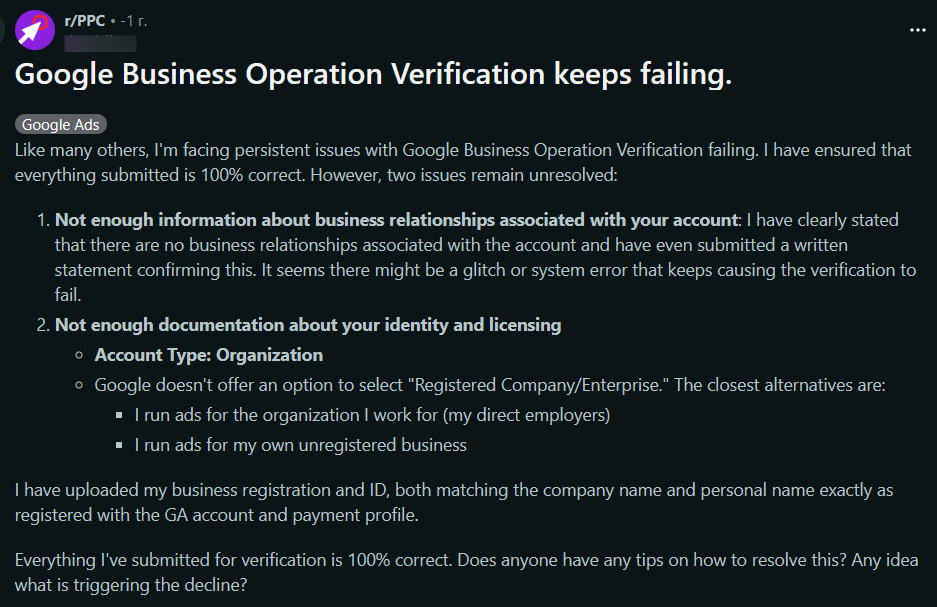
Users also report a lack of transparency in the process: Google often rejects applications time and again without clarifying the specific reasons for the denial.
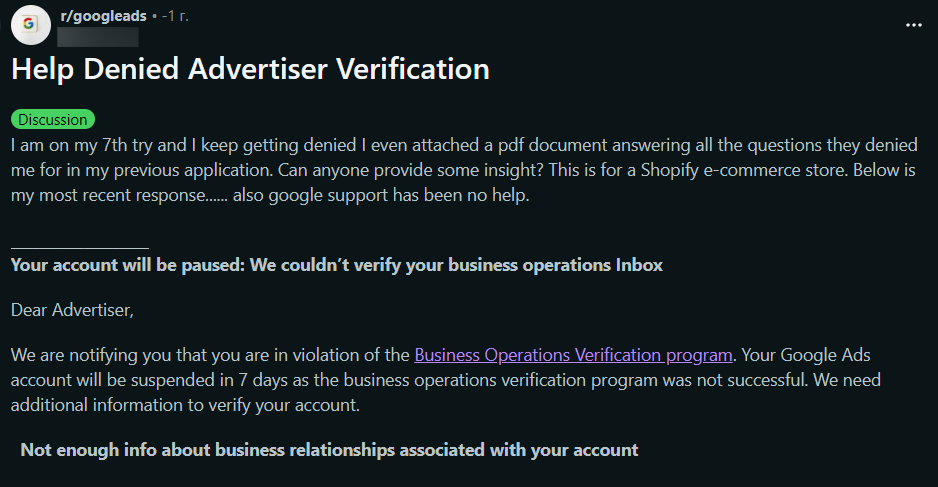
Meanwhile, BlackHatWorld is swamped with discussions on bypassing BOV, attempts to circumvent the check, and various technical hurdles associated with it.
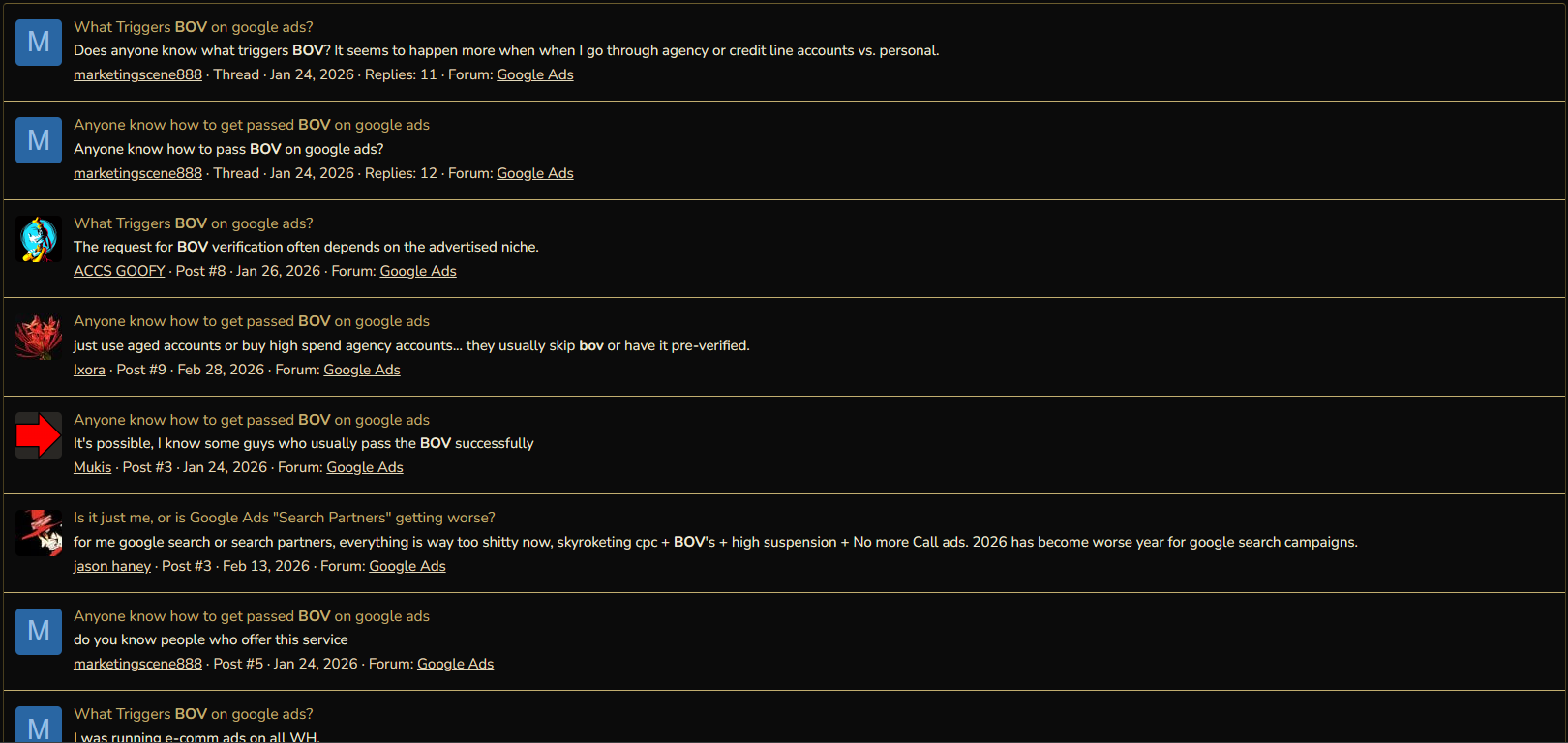
The YeezyPay team has investigated the core triggers and potential workarounds for this check — here is how to avoid it and what to do if your account has already been flagged.
What Exactly Triggers a BOV Check and How to Bypass It
The most effective way to "pass" a BOV is to understand its triggers and avoid them entirely. It is crucial to prepare for a potential BOV in advance, as solo affiliates running grey-hat or black-hat offers won't be able to answer the questionnaire truthfully. This guarantees an account ban for "Circumventing Systems."
Unlike standard Advertiser Identity Verification (AIV), a BOV is triggered only when algorithms flag an account as suspicious. High-risk activity on un-warmed "self-registered" accounts (samoregs) significantly spikes the probability of a check.
Behavior that Google classifies as "high-risk" typically includes scaling budgets too aggressively, rapidly switching between different offers, promoting grey-area verticals, or Google’s inability to track the entire sales funnel.
The last point is particularly critical. During a BOV, Google scrutinizes the entire chain: who is advertising, what is being sold, and how the marketing funnel is structured. If a media buyer cannot reveal the actual offer or traffic route, Google views it as an attempt to obfuscate the business model. According to Google’s official policy, an opaque ad supply chain and hiding the final destination fall under "Abusing the ad network." This is exactly why BOV is practically impassable for an affiliate.
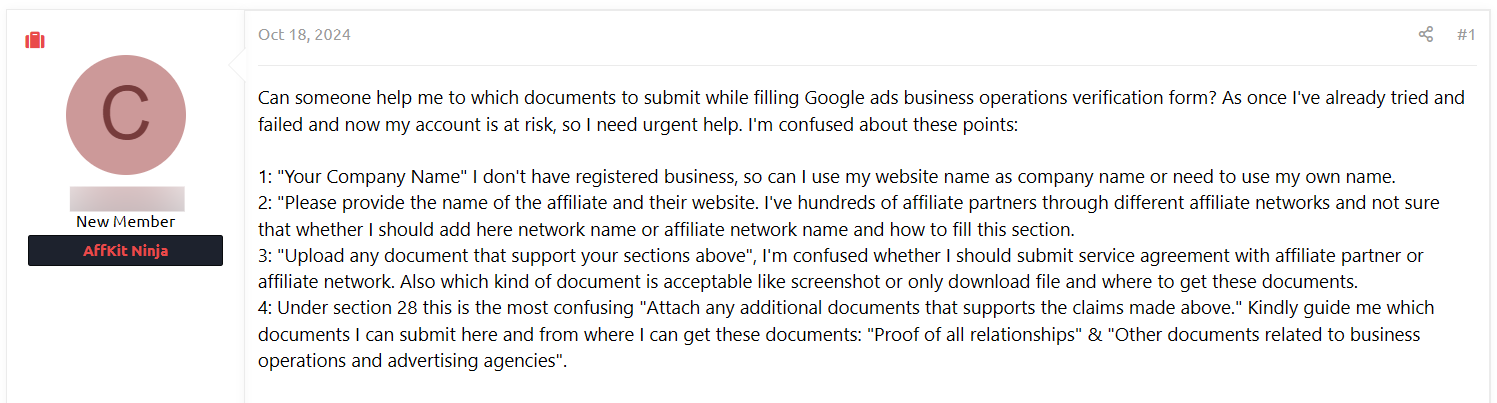
When an account has low trust, even "unclean" creatives or minor policy slips can trigger a verification request.
How to Avoid the Check: Practical Recommendations
You need to perform a basic warm-up of the account. Under no circumstances should you launch a gambling or high-risk campaign on a fresh account. Forum data confirms that warmed-up accounts hit the BOV filter significantly less often.

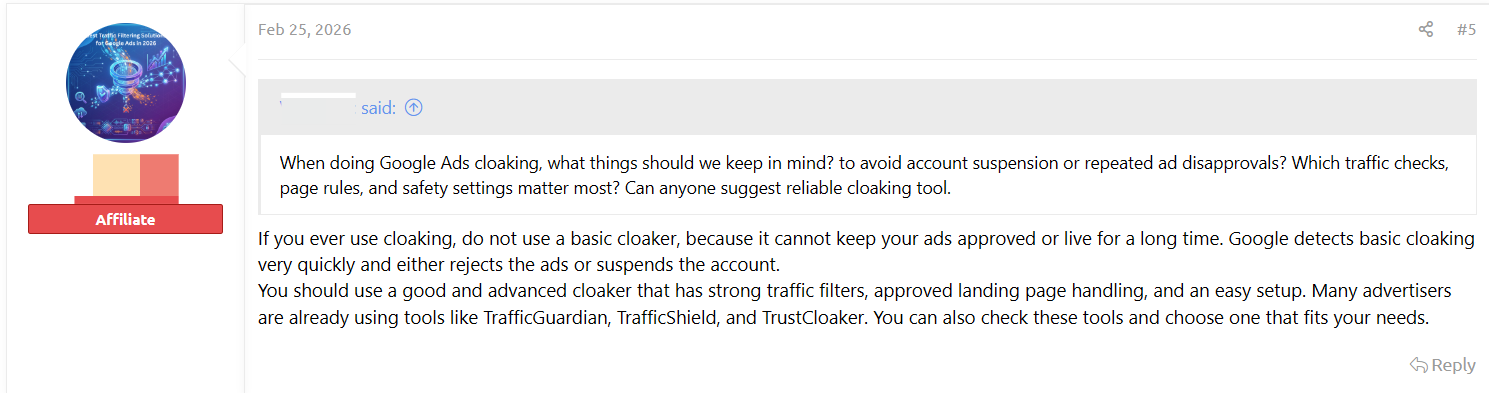
Use a reliable cloaking service that Google's bots cannot easily penetrate. Forums recommend being thorough when choosing software for masking your ad campaigns, as 2026 algorithms have long been able to bypass simple cloakings.
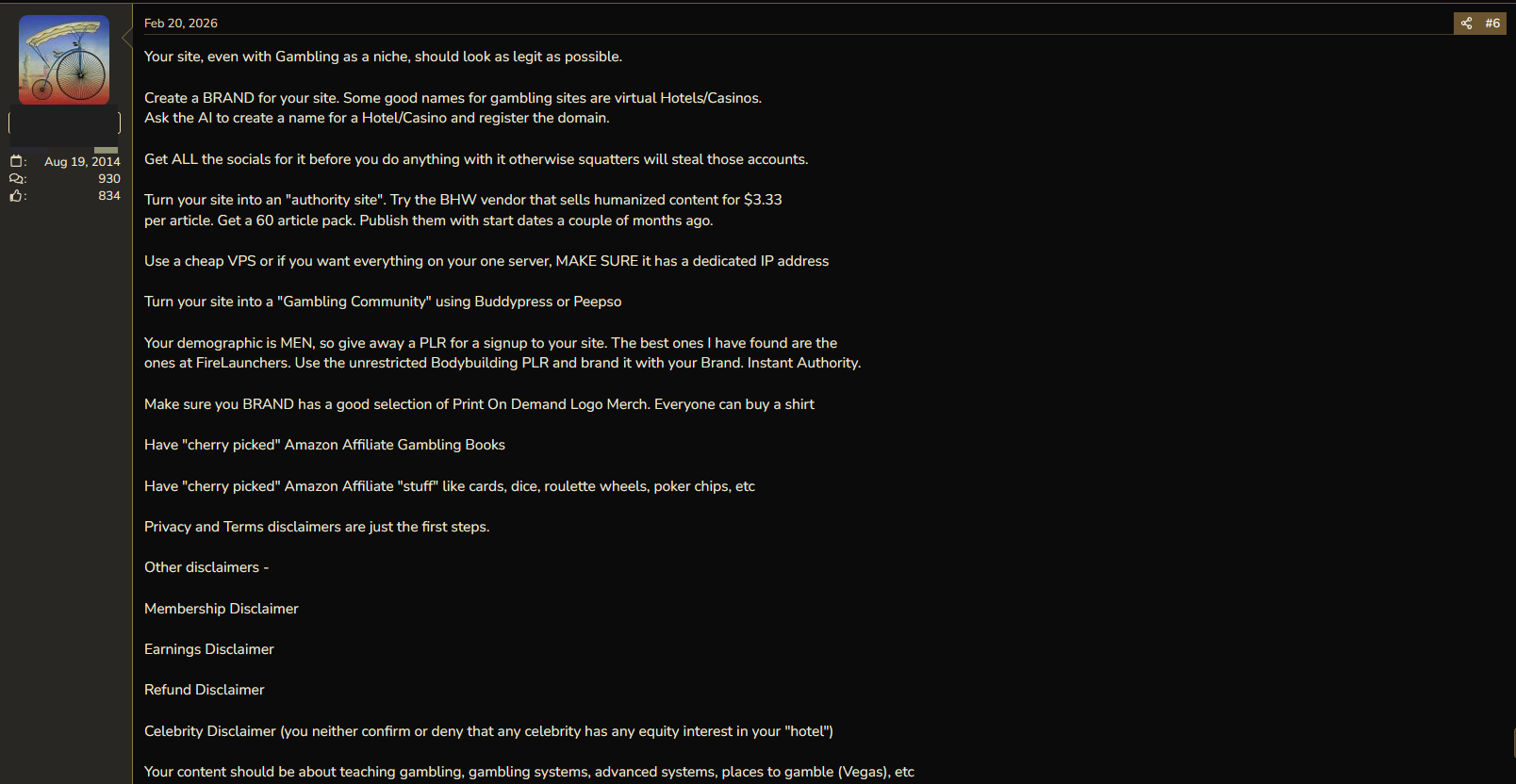
In our experience, BOV often stems from low-quality white pages. To reduce the risk of facing a BOV, the white page must be detailed: the page's theme should logically link to the real offer — if you are running crypto, the white page should be about investments or finance, not a pet shop. Additionally, links to a privacy policy and the "company’s" legal details are mandatory.
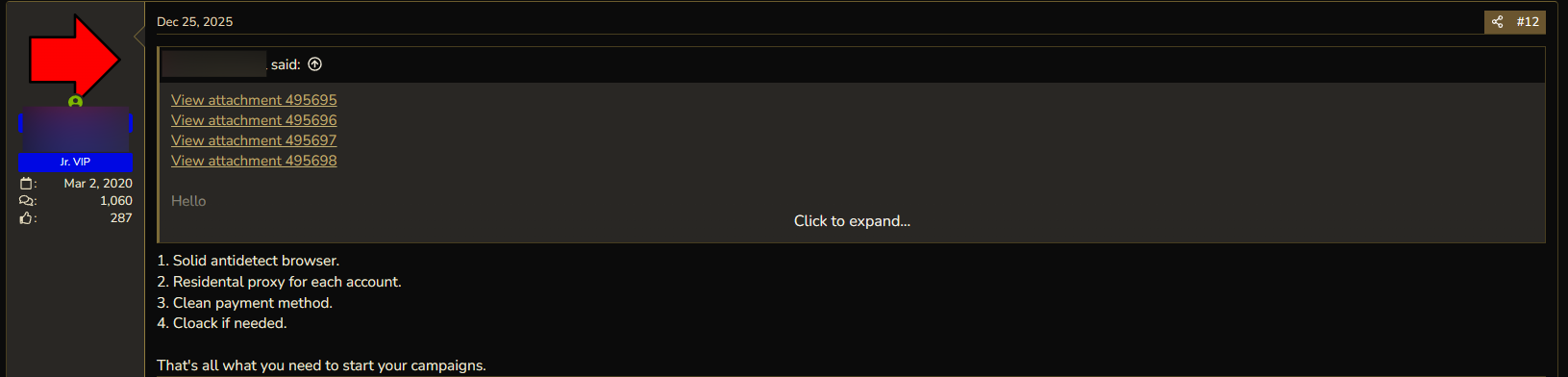
Furthermore, affiliates strongly recommend using anti-detect browsers. Without them, you could lose an account at any moment — the risk of receiving a BOV request due to fingerprint mismatches is extremely high.
Finally, scale your campaigns cautiously; do not increase the budget too quickly. If you were spending $50 a day, do not immediately jump to $500. Google views such behavior as "suspicious" and high-risk, and affiliates on forums report that high-risk payment signals are the strongest trigger for a BOV.

Affiliate Mistakes That Provoke a BOV
A BOV hits an account when the algorithms haven't decided to block the user yet but already view them with suspicion. To avoid this suspicion, you should be careful with keywords: while the account has low trust, you cannot use aggressive keywords from grey verticals. Otherwise, algorithms may decide the account is potentially involved in fraudulent schemes and force a verification.
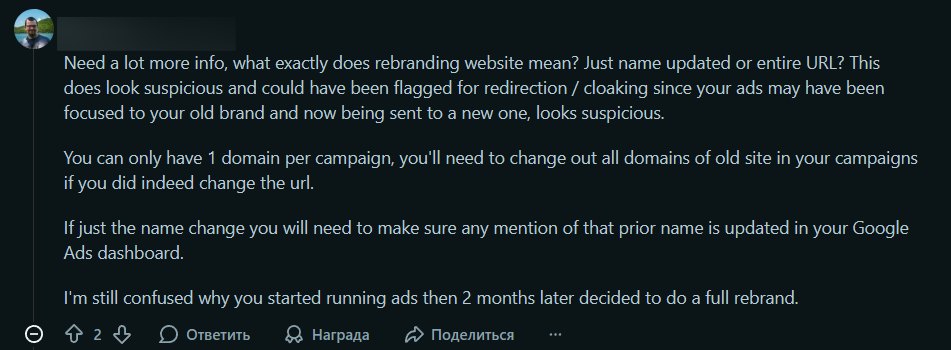
Maintain account data consistency: keep payment methods, account type (organization or individual), and all documents unchanged, or you will have to undergo verification again. Maintain the theme of the ad campaign: drastically changing the campaign's niche is considered suspicious behavior and can trigger a BOV.
Avoid "blacklisted" assets: do not use payment methods, documents, or creatives previously linked to a banned account. There are many rules: to run traffic without the risk of facing a BOV, you’ll have to follow them all, while also spending time and money on warming up accounts.
There is, however, a much simpler and faster option — using agency accounts. Due to their high trust, they almost never have to deal with Business Operations Verification. Affiliates on forums confirm this.

What to Do If Google Requests a BOV
If a BOV has already been triggered, in most cases, it’s best to cut your losses and move to a new account. Google requires documentation that most affiliates simply don't possess, and any attempt to lie about a grey-hat business model will lead to a permanent block.

The best thing an affiliate can do then is move to another account and continue running traffic from there. In the past, some used an MCC (My Client Center) to shield sub-accounts.

By 2026, this loophole has effectively closed: Google now requires end-client documentation for sub-accounts anyway. Moreover, since 2025, Google has implemented new verification mechanisms — now, to register an MCC, it also needs to be verified with corporate documents.
As a result, every account must be strictly isolated with unique digital fingerprints, payment methods, and documents. If a BOV check hits one of the accounts, sooner or later it will affect every account on the MCC. Along with the MCC, the affiliate loses everything: the budget already spent, the payment methods, and the documents used for initial verification. Agency accounts eliminate this risk: if a cabinet is flagged, YeezyPay provides a replacement and transfers the remaining balance.
Summary
In black-hat Google Ads affiliate marketing, a BOV is a "game over" signal for the specific account. All a media buyer can do with a self-registered account is delay the check as long as possible using high-end cloakings, anti-detect browsers, and cautious scaling. Usually, an ad campaign for an offer lasts a month or a month and a half: with the right skills, it’s quite realistic to keep an account untouched for that period.
However, keep in mind that a significant portion of this time will be spent on warming up the account, re-training algorithms, and the mandatory AIV. And all of this still doesn’t guarantee protection against a BOV. Against this backdrop, agency accounts remain the best solution: they don’t need warming up, they have high trust from the start, and they almost never face verifications.


