


What Is a Lead in Marketing? A Practical Guide for Google Ads
Introduction
Every sale starts somewhere. Usually it starts with a lead — someone who has shown enough interest in what you offer to cross the line from anonymous visitor to identifiable contact. Understanding what is a lead in marketing — and what is a marketing lead more broadly — how leads are generated, and what separates a good lead from a bad one is the foundation of any performance marketing strategy.
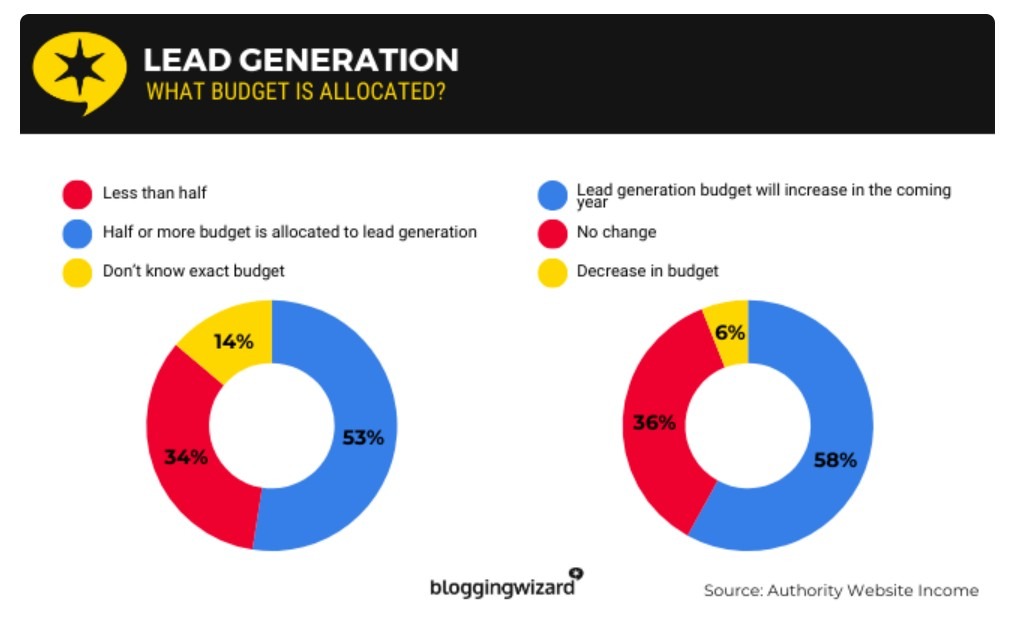
The numbers put the stakes in context. According to DemandSage's 2026 lead generation statistics, 91% of marketers rank lead generation as their top priority, yet 79% of leads never convert to sales. The average cost per lead across all industries sits at $198.44 — which means wasting budget on unqualified leads is a problem with a very specific dollar figure attached to it.
This guide covers the full picture: the marketing lead definition, how different lead types work, how Google Ads fits into the lead generation mix, and how to measure and improve lead quality over time.
What Is a Lead in Marketing?
Core definition
A lead in marketing is a person or organization that has expressed interest in a product or service and provided enough information — typically contact details — to make follow-up possible. That's the line between a lead and a general audience member: a lead is identifiable and reachable.
What qualifies as "expressed interest" varies by context. Filling out a contact form, downloading a whitepaper, signing up for a webinar, calling a business, or clicking a lead form ad all count. The common thread is intent — some signal, however early, that this person might become a buyer.
Lead vs prospect vs customer
These three terms are often used interchangeably, but they describe different stages in the same journey. Understanding the lead vs prospect difference matters for how you allocate sales and marketing effort.
A lead is the broadest category — anyone who has engaged enough to be identified. A prospect is a lead that has been evaluated and deemed a potential fit for what you're selling. A customer is someone who has completed a purchase. The progression moves from lead to prospect to customer as qualification and engagement deepen.
In practice, the lead vs prospect difference is where most sales and marketing misalignment happens. Marketing may pass thousands of leads to sales, but if those leads haven't been evaluated against basic qualification criteria, sales time gets wasted on contacts who were never going to buy.
B2B and B2C differences
B2B marketing leads and B2C marketing leads behave very differently — and the strategies for generating and qualifying them reflect that gap.
In B2B, leads typically involve longer sales cycles, multiple decision-makers (the average buying group for complex B2B solutions now involves 8.2 stakeholders, up 21% since 2015, according to Sopro's 2025 B2B buyer research), and higher average deal values that justify higher CPLs. A financial services B2B lead costs an average of $461 on paid channels, according to Sopro's 2025 B2B cost per lead benchmarks — and up to $761 at the high end.
In B2C, the journey is shorter, decisions are more individual, and volume matters more than relationship-building. CPLs are generally lower, but so are deal values — which means conversion rate optimization and speed of follow-up become the primary levers. According to InsideSales.com's Lead Response Management Study, responding to a lead within five minutes increases contact rates by 900% compared to waiting 10 minutes or longer.
Types of Marketing Leads
Not all leads are equal — and treating them as if they were is one of the fastest ways to waste budget. The types of marketing leads a business works with determine how they should be nurtured, scored, and handed off to sales.
Cold, warm, and hot leads
Temperature is shorthand for intent. A cold lead fits your target profile but hasn't engaged with your brand yet. A warm lead has interacted — visited key pages, downloaded content, or clicked an ad. A hot lead is actively evaluating a purchase: they've requested a demo, filled out a contact form, or responded to outreach.
Each temperature requires a different response. Cold leads need nurturing before a sales conversation makes sense. Hot leads need fast follow-up — according to MIT's Lead Response Management Study, responding within five minutes makes a lead 21x more likely to qualify compared to waiting 30 minutes.
Paid vs organic leads
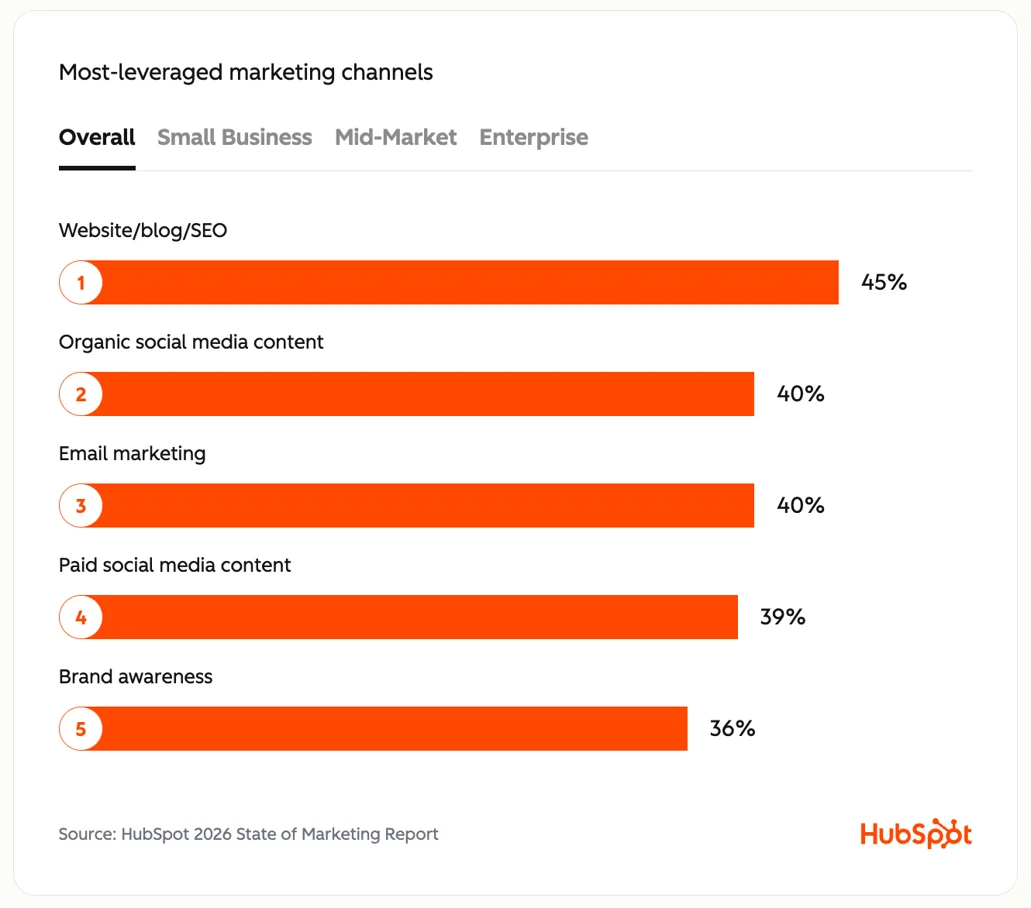
Online marketing leads fall into two categories. Paid leads come through advertising channels — Google Ads, Meta, LinkedIn, programmatic display. Organic leads come through SEO, content marketing, and referrals. Organic leads close at 14.6% on average versus 1.7% for outbound leads, according to SalesHive's 2025 B2B lead generation benchmarks.
MQL and SQL explained
An MQL (Marketing Qualified Lead) fits your ideal customer profile and has shown enough engagement to warrant marketing attention — but hasn't been vetted by sales yet. An SQL (Sales Qualified Lead) has been reviewed by sales and confirmed as a genuine opportunity. The MQL-to-SQL conversion rate across B2B industries averages 12-18%, according to MarketJoy's 2025 pipeline data. Enterprise B2B SaaS teams with advanced lead scoring reach 40%.
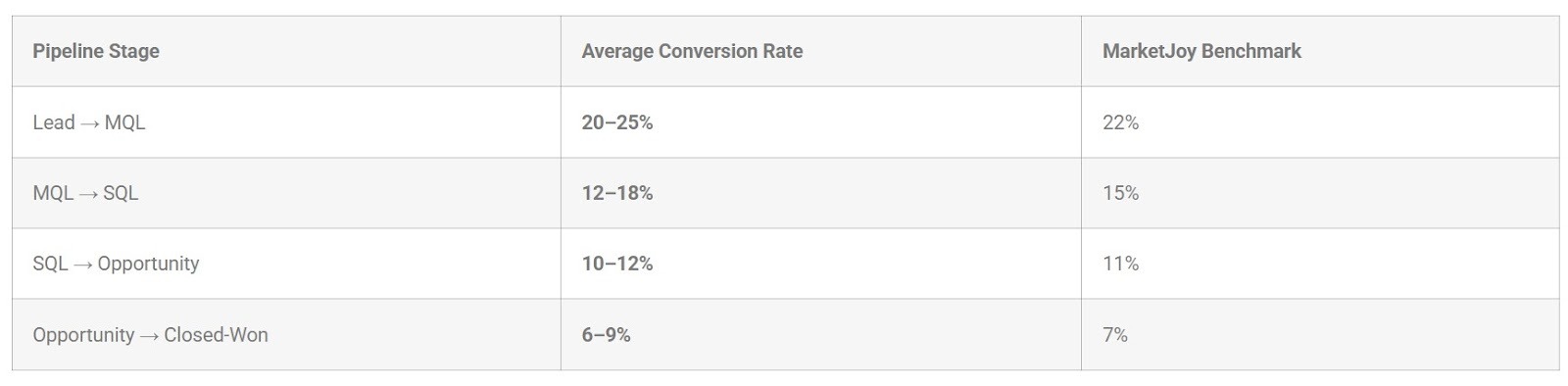
The handoff between the two is where most B2B revenue is won or lost. Nico Dato, VP of Marketing who helped grow Podium to $100M in revenue, is direct about why it breaks down: "The throw-over-the-fence mentality is totally broken. Marketing provides MQLs, sales ignores them, and nobody talks about why."
Logan Mallory, VP of Marketing at Motivosity, describes how high-performing teams handle it differently: "We have different categories for MQLs, each representing different levels of engagement and readiness to convert. We meticulously track MQLs to map our leads and understand which marketing strategies are most effective at each stage of the funnel."
The difference in practice is significant. MarketJoy documented a concrete example: a cybersecurity client increased their MQL-to-SQL conversion by 38% within six months by replacing a manual qualification process with an AI-driven intent scoring model combined with human verification — without increasing lead volume at all.
How Leads Are Generated
Lead generation basics come down to one principle — it's a system, not a single tactic. Brian Carroll, founder of Markempa and author of "Lead Generation for the Complex Sale," puts it plainly: "Complex-sale lead generation works when it's a system, not a tactic. Intent + sequencing + follow-up discipline beats 'more leads' every time."
Inbound lead generation
Inbound lead generation attracts potential buyers through content, search, and owned channels — the lead comes to you rather than the other way around. The mechanics include SEO, blog content, landing pages, lead magnets, webinars, and social media. What they share is that the visitor self-selects based on genuine interest before any sales contact occurs.
What that looks like in practice: a commercial cleaning and janitorial services franchise documented by MarketingSherpa built their entire lead generation engine from scratch starting with the website as the conversion foundation — not a brochure. They layered in paid search and SEO, then tested and optimized continuously. The result: a 150% increase in leads year over year, 1,500% ROI on SEO, and 200% ROI on PPC. Leads came through two intent paths — website form registrations and inbound phone calls — not a single magic CTA.
Carroll's takeaway from this and similar cases: "The website wasn't a brochure. It was the conversion foundation. Testing wasn't optional. It was how the system improved."
Outbound lead generation
Outbound lead generation means your team initiates contact — through cold email, cold calling, LinkedIn outreach, direct mail, or paid prospecting. The lead hasn't signaled intent yet; you're interrupting them based on fit criteria rather than behavior.
Outbound works best when it's tightly targeted and sequenced. MarketingSherpa documented an OEM equipment provider that combined event marketing with direct mail, email, and teleprospecting before and after a trade show. By segmenting prospects and creating tailored touchpoints at each stage, the campaign generated 140 qualified leads and delivered 300% ROI — results that a single outbound tactic alone wouldn't have produced.
Paid advertising leads overview
Digital advertising leads — from Google Ads, Meta, LinkedIn, programmatic display — sit between inbound and outbound. You're interrupting attention like outbound, but targeting signals of intent like inbound. For most businesses, paid advertising leads are the fastest route to a predictable lead volume, but they require tight qualification at every stage because ad clicks don't equal purchase intent.
A technology asset management provider documented by MarketingSherpa illustrates what happens when the back-end isn't built to handle paid leads properly. Their marketing automation and CRM were running in silos — leads were being generated but not scored, nurtured, or handed off correctly. After integrating both systems and implementing lead scoring, lead generation improved by 75% in the first year — without increasing ad spend.
Leads in Google Ads
Google Ads is one of the most direct routes to paid search leads — you reach people at the moment they're actively searching for what you sell. But how you capture those leads, and how you measure them, determines whether the channel actually performs.
How Google Ads generates leads
Google Ads generates leads by matching your ads to search queries, then converting that click into a contact — through a form submission, phone call, or direct message. The platform doesn't generate leads automatically; it delivers traffic to a capture point that you control. Which means the quality of that capture point — your landing page, your form, your offer — determines everything downstream.
Jyll Saskin Gales, a Google Ads coach who spent 6 years at Google working with the world's largest advertisers, is direct about this: "No amount of AI optimization can salvage a poor offer or a confusing landing page." The traffic Google delivers is only as valuable as what you do with it after the click.
Search, Display, YouTube, and Performance Max
Each Google Ads campaign type generates leads differently. Search campaigns capture demand that already exists — someone types a query, your ad appears, they click and convert. This makes Search the highest-intent channel for most lead generation accounts because the user is actively looking for a solution.
Display and YouTube operate higher up the funnel — they build awareness and retarget visitors who didn't convert on first contact. Performance Max runs across all Google surfaces simultaneously: Search, Shopping, YouTube, Display, Discover, and Gmail. For B2B lead generation specifically, Saskin Gales notes that Performance Max vs. Search is not a simple either/or decision — Search gives more control over targeting and negative keywords, while Performance Max relies on Google's AI to find conversions across channels, which requires strong conversion signal data to work effectively.
Lead form extensions vs landing pages
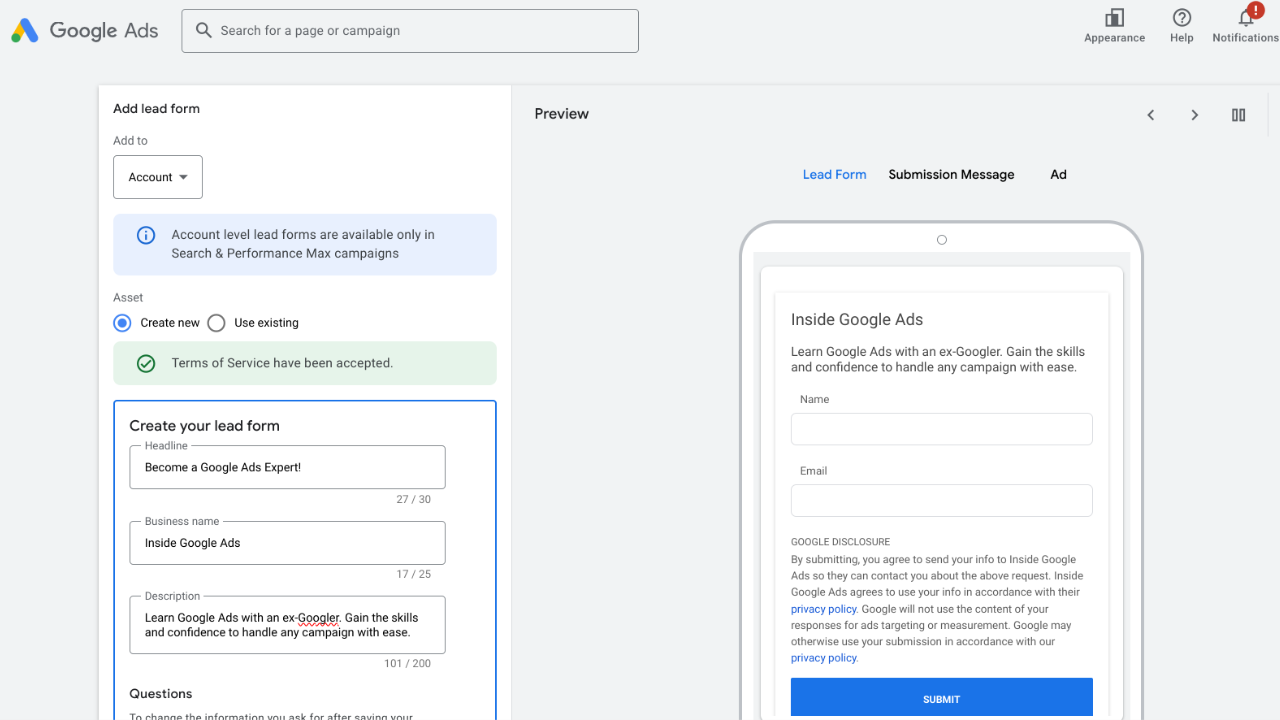
Lead capture methods range from dedicated landing pages to lead form assets — formerly known as lead form extensions, without visiting your website. The appeal is friction reduction: fewer steps between click and submission typically means higher volume.
The tradeoff is lead quality. According to Saskin Gales, lead form assets have three consistent limitations compared to landing page forms: lower quality leads due to the ease of submission and lack of in-depth qualification, limited customization that prevents asking all the qualifying questions you need, and potentially lower volume than driving traffic to a dedicated landing page. Her recommendation: approach lead form assets with clear expectations, test them against landing page performance rather than assuming they'll outperform, and use them selectively — particularly on mobile where landing page load speed creates friction that lead forms eliminate.
Lead Qualification and Scoring
Generating leads is only half the problem. Generating qualified leads in marketing — ones worth pursuing — is the other half — before sales time gets wasted on contacts who were never going to buy. That's what qualification and scoring are for.
Common qualification criteria
The most widely used qualification framework is BANT: Budget, Authority, Need, and Timeline. A lead qualifies when they have the budget to buy, the authority to make the decision, a genuine need your product addresses, and a timeline that makes a near-term sale possible. In practice, most teams don't require all four — a lead with clear need, authority, and a defined timeline often moves forward even without confirmed budget.
The problem with static qualification criteria is that they treat all signals equally. A lead who downloaded a whitepaper and a lead who requested a demo both "qualify" on paper, but their intent levels are completely different. This is where scoring adds precision — it weights behaviors and attributes to produce a numeric ranking that reflects actual purchase likelihood.
Lead scoring models
Lead scoring basics start here: assign point values to specific actions and attributes. Demographic fit — job title, company size, industry — contributes one layer. Behavioral signals — page visits, content downloads, email opens, form submissions — contribute another. The combination produces a score that sales can act on without manually reviewing every contact.
The results of implementing proper scoring are concrete. Grammarly replaced their manual list-building process with Salesforce Einstein AI lead scoring, trained on historical CRM data. The outcome: 30% more MQLs converting, 80% more account upgrades, and deals closing in 30 days instead of 60–90. About 200 high-quality leads reached sales each month. Kelli Meador from Grammarly's marketing team described the shift: "When I was first introduced to Salesforce, it just made sense. It was intuitive. We don't have to be tied to coding or the complexity that other CRMs can bring."
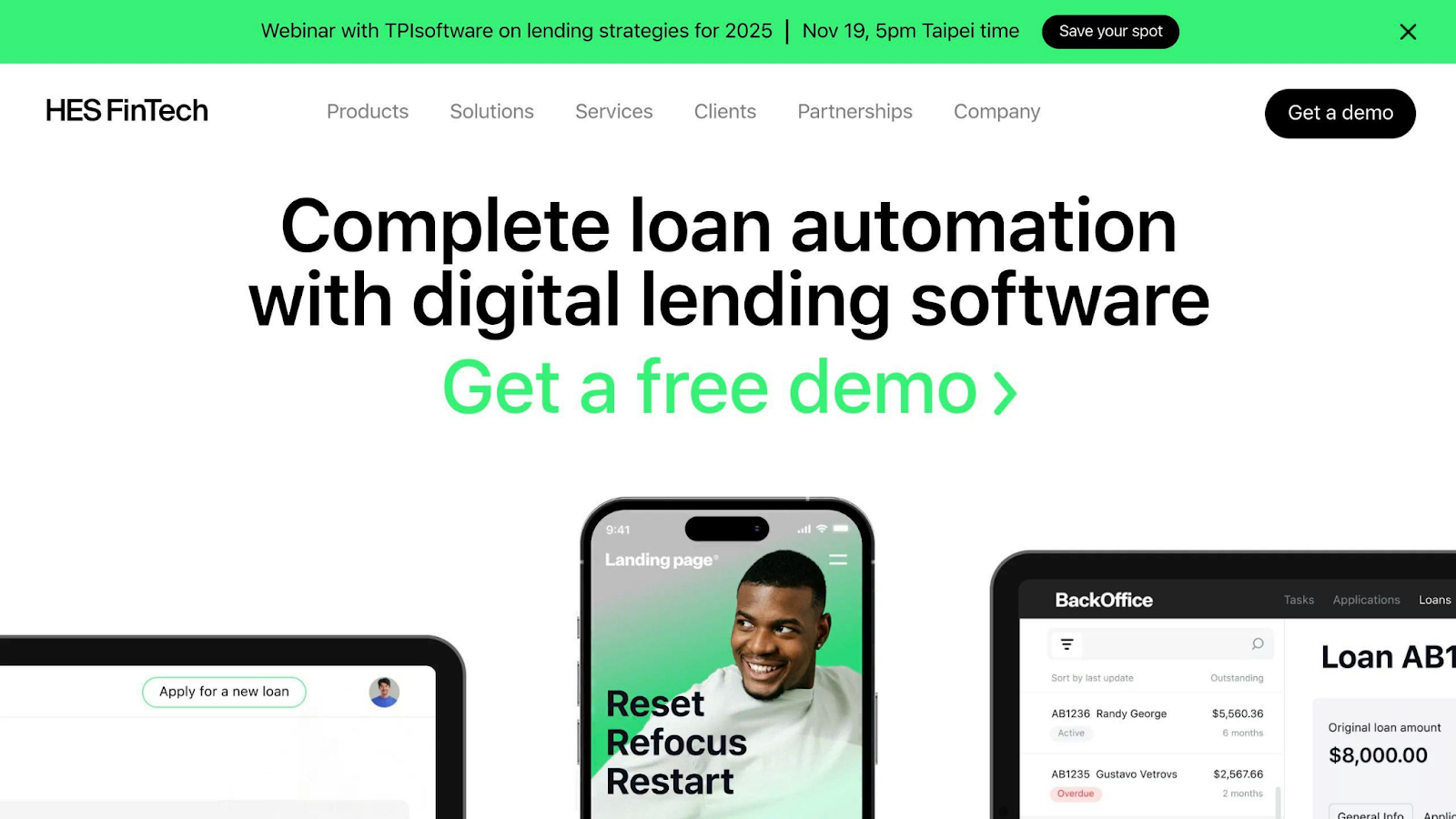
HES FinTech ran a similar implementation using GiniMachine integrated with HubSpot. After three months, loan volume increased 40% per week and bad loans dropped from 18.9% to 4.4%. Artem Britun, Head of Sales at HES FinTech, put the operational impact plainly: "We spend less time qualifying leads in CRM, allowing us to allocate more time to pre-sales activities. Lead quality has significantly improved, and the average deal size has increased."
Sales and marketing alignment
For sales and marketing leads to flow efficiently, both teams need to agree on what the scores mean. A score of 80 means nothing if marketing defines it as "ready for nurture" and sales treats it as "ready to close." This definition gap is where most lead scoring implementations fail — not in the technology, but in the shared criteria.
The fix is a documented lead management process — an SLA between the two teams: what score triggers an MQL, what criteria upgrade an MQL to SQL, and how quickly sales must follow up after a lead hits threshold. Without that agreement, even the most sophisticated scoring model produces leads that sit untouched in a CRM queue.
Measuring Lead Quality and Performance
Generating leads is measurable. The problem is that most teams measure the wrong things — volume instead of value, cost instead of contribution. The metrics that actually matter connect lead generation activity to revenue outcomes.
Cost per lead vs lead value
Cost per lead (CPL) is calculated by dividing total spend by the number of leads generated. If you spend $5,000 and generate 100 leads, your CPL is $50. According to Flyweel's 2025 CPL benchmark report — which synthesized dozens of industry reports and real performance datasets — the average CPL for B2B companies across all channels is $84. Google Ads averages $70.11, while LinkedIn sits at a premium of $110.
CPL alone tells you nothing about whether your lead generation is working. A $50 lead that never closes is more expensive than a $500 lead that becomes a $50,000 client. As one media buying expert cited in the Flyweel report puts it: "I would rather have one lead that cost $500 and becomes a customer than 10 leads that cost $50 each and waste my sales team's time."
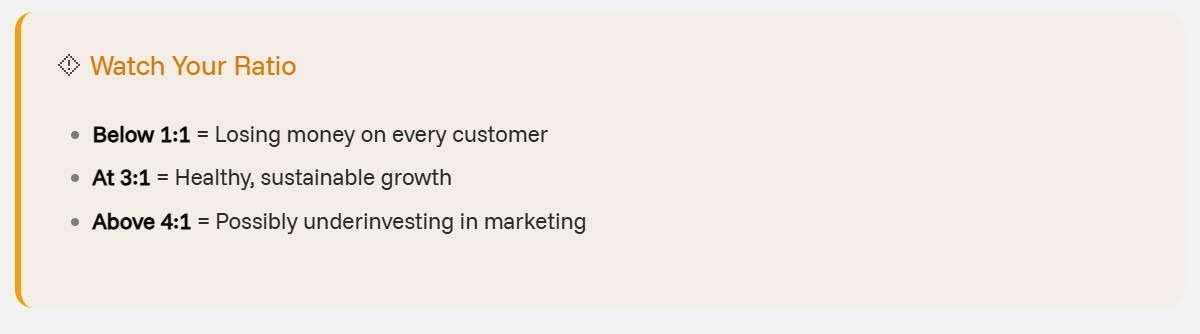
The metric that connects CPL to business outcomes is LTV:CAC ratio — the relationship between customer lifetime value and customer acquisition cost. According to Flyweel's benchmarks, a healthy LTV:CAC ratio is at minimum 3:1. Below that, acquisition costs are eating into sustainable growth regardless of how low your CPL looks.
Conversion tracking in Google Ads
Accurate conversion tracking is the foundation of any Google Ads lead generation measurement. Without it, Google's Smart Bidding has no signal to optimize against, and your CPL data will be incomplete or misleading.
The standard setup for lead gen accounts: implement the Google Ads conversion tag on your thank-you or confirmation page to track form submissions, then assign a conversion value if you have data on average lead-to-revenue rates. For phone call leads, call tracking extensions capture calls directly from ads as conversion events. According to Lead Forensics' 2026 lead generation metrics guide, tracking should be set up across GA4, your CRM, and Google Ads simultaneously — each platform provides a different layer of data that the others miss.
Lead Forensics describes a practical example: a B2B software company that tracks 500 total leads but finds only 50 qualify as MQLs uses that data to identify that most MQLs came from LinkedIn — and reallocates budget accordingly. Without conversion tracking connected to qualification data, that insight is invisible.
Attribution models and GA4
Attribution determines which touchpoints get credit for a conversion. Last-click attribution — the default in many platforms — gives 100% of the credit to the final click before a form submission. For lead generation accounts where buyers research across multiple sessions and channels before converting, this consistently undervalues top-of-funnel activity.
GA4's data-driven attribution model distributes credit across all touchpoints based on actual conversion path data, which gives a more accurate picture of which campaigns are contributing to leads — not just which ones happened to be last. According to Lead Forensics' 2026 metrics guide, tracking MQL sources in GA4 alongside SQL conversion rates in Salesforce or HubSpot is the recommended approach for B2B teams that want to connect marketing activity to actual pipeline contribution rather than just form fills.
Common Mistakes in Lead Generation
Most lead generation problems aren't traffic problems. They're qualification, tracking, and post-click problems — and they tend to compound until the channel looks like it doesn't work at all.
Optimizing for volume over quality
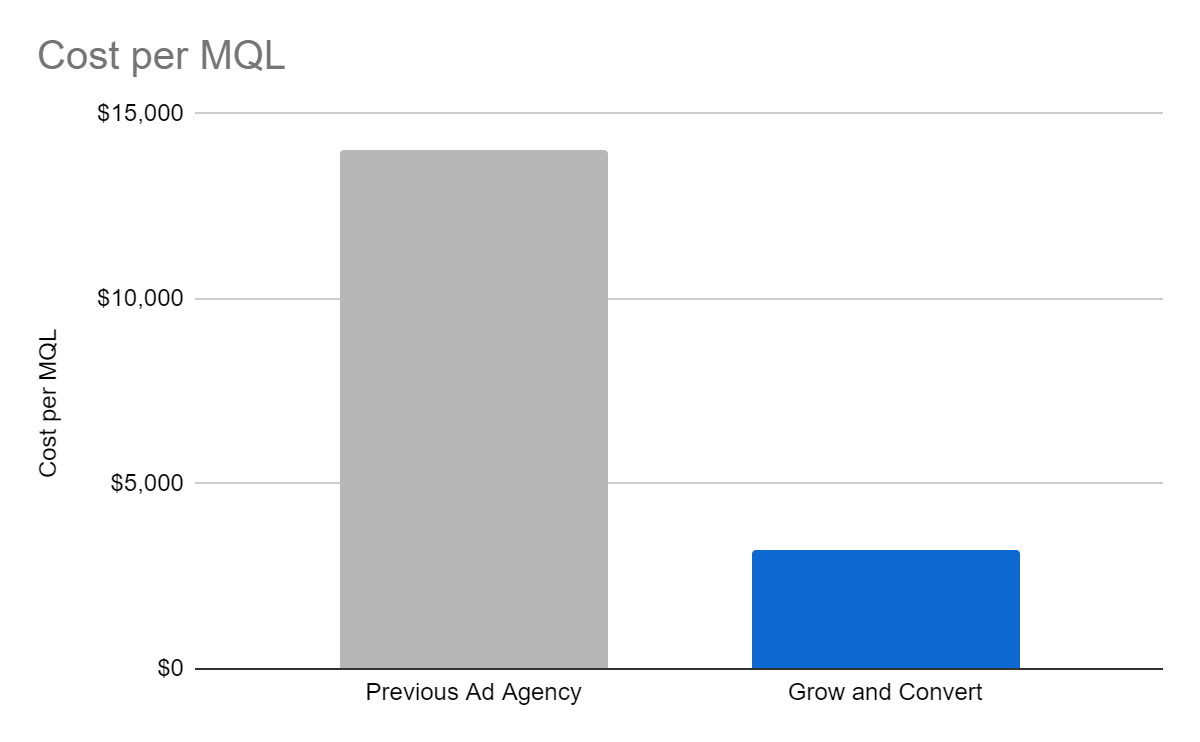
The most common mistake is optimizing for form submissions rather than qualified leads. Grow & Convert documented this in their case study of an ecommerce development agency. The previous agency's numbers looked fine on the surface: 26 leads over three months, average CTR of 6.25%, ~55k impressions, CPL ~$1,077. After filtering out junk leads, only 2 of those 26 were actual MQLs — at a cost of ~$14,000 each. The root causes were textbook: targeting keywords without buying intent, using Search Partners, and too many keywords per ad group. After restructuring around high-intent keywords, removing Search Partners, and tightening ad group structure, MQL volume increased to ~1.4 per month and cost dropped to ~$3,200 per MQL — a 75% reduction.
The broader context makes this pattern harder to ignore. According to North Country Consulting's November 2025 analysis citing LocaliQ and Search Engine Land data, 87% of industries saw CPC increase 13% in 2025, while 91% of industries experienced a 14% decrease in conversion rates. Average CPL rose 5.13% to $70.11. In the Arts & Entertainment sector, CPL increased 134% — the steepest rise across all industries. Paying more for less is now the default for advertisers who don't actively manage lead quality.
Poor tracking setup
Bad tracking doesn't just produce wrong numbers — it actively degrades campaign performance. When Google's Smart Bidding optimizes toward inaccurate conversion signals, it finds more of the wrong leads at scale. North Country Consulting's Eric Huebner identifies this directly: conversion tracking that fires on irrelevant actions, or fails to distinguish qualified from unqualified leads, gives the algorithm a distorted picture of what success looks like — and it optimizes accordingly.
The fix starts with tracking the right events. Form submissions are a starting point, not an endpoint. Offline conversion imports — connecting CRM data back to Google Ads — let Smart Bidding optimize toward leads that actually became customers, not just contacts who filled out a form.
Ignoring post-click experience
Traffic quality determines lead volume. Post-click experience determines lead quality. The two are not interchangeable. As North Country Consulting notes, landing pages that fail to engage — slow loading, generic messaging, weak calls to action — are a primary reason conversion rates drop even when targeting and bidding are correct.
The pattern Grow & Convert identified reinforces this: even after fixing keyword targeting, the campaign improvements required matching ad copy to landing page content specifically — including the keyword in the ad copy and creating carefully curated landing pages per ad group. Generic landing pages that don't reflect the specific search intent of the user produce high bounce rates and low-quality leads regardless of how well the upstream campaign is structured.
Practical Checklists
Two checklists that matter in practice: one for setting up Google Ads lead generation correctly, one for qualifying leads before they reach sales.
Google Ads lead generation checklist
LeadsBridge's 2025 Google Ads lead quality guide frames the right starting question: "Pass every optimization you're planning through this filter: Will this improve the percentage of leads that become revenue?"
Before launching any campaign, work through these steps:
-
Map the full path from click to closed-won and identify the single bottom-funnel event to optimize toward — a booked call, a signed contract, or a CRM-qualified opportunity.
-
Set up conversion tracking for both online and offline outcomes. Form submissions capture intent; offline conversion imports capture revenue. Smart Bidding needs revenue signals to optimize correctly.
-
Pass conversion value dynamically to Google Ads. A $5,000 lead and a $500 lead should not be weighted equally in your bidding model.
-
Segment campaigns by goal, service, or funnel stage. Mixing high-intent bottom-funnel keywords with broad awareness terms in the same campaign dilutes bidding signals.
-
Check search terms weekly and add negatives for queries generating weak or unqualified leads. This is an ongoing quality loop, not a one-time setup task.
-
Track Sales Qualified Opportunity (SQO) rate and cost per SQO alongside CPL. CPL tells you what you paid; SQO rate tells you whether it was worth it.
-
Feed offline outcomes back through Enhanced Conversions to close the loop between what Google sees and what actually converted into revenue.
Lead qualification checklist
Qualification criteria need to be documented and agreed between marketing and sales before leads start flowing — not after the misalignment becomes visible in the numbers.
-
Define MQL criteria in writing: job title, company size, industry, and minimum engagement threshold. Confirm sales agrees before any campaign goes live.
-
Assign point values to behavioral signals: demo request, pricing page visit, repeat visits within 7 days. Scoring should reflect purchase intent, not general curiosity.
-
Set a documented SLA for SQL follow-up. According to LeadsBridge, speed of follow-up directly affects whether a scored lead converts or goes cold.
-
Review MQL-to-SQL conversion rate monthly. If it drops below an agreed threshold, revisit qualification criteria before increasing ad spend.
-
Route disqualified leads to nurture, not the bin. Timing is often the only disqualifying factor — a lead that isn't ready today may be the right buyer in 60 days.
Conclusion
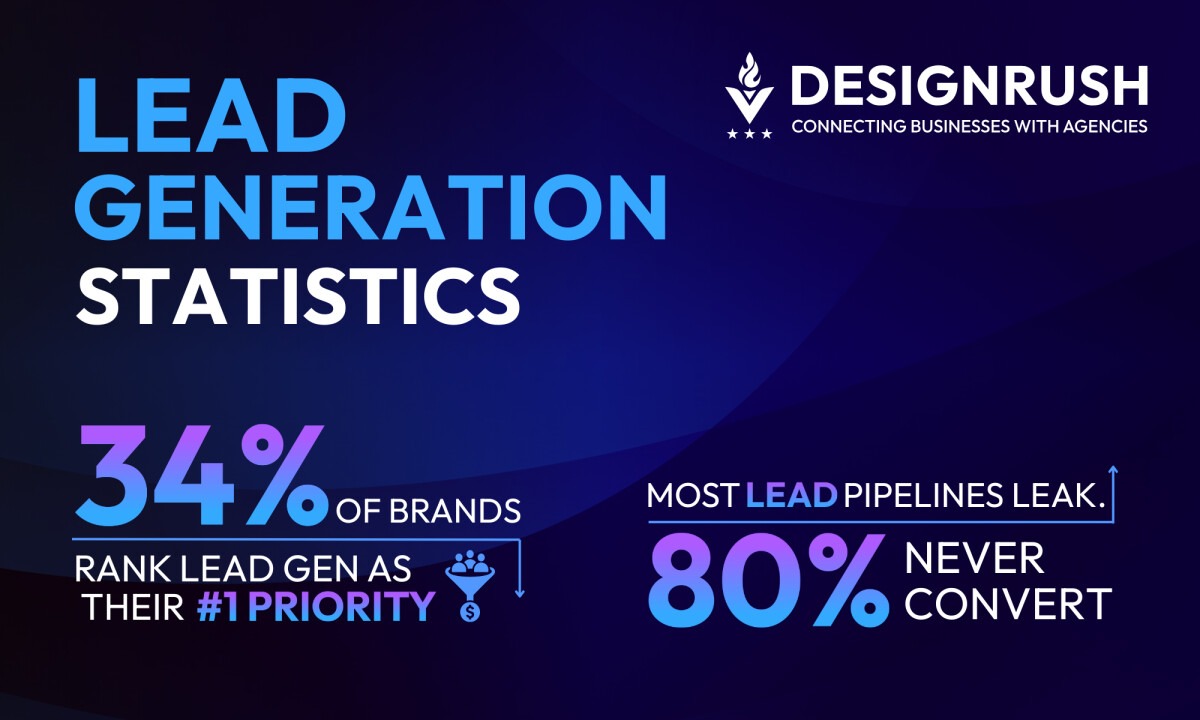
Understanding what is a lead in marketing is the starting point — but the work is in what comes after. According to DesignRush's 2026 lead generation benchmark report, 80% of leads never convert. That single number explains most lead generation underperformance: the problem isn't lead volume, it's what happens to leads after they're captured.
The lead nurturing basics make the business case clearly. According to Forrester Research, companies that excel at lead nurturing generate 50% more sales-ready leads at 33% lower cost. And according to the Annuitas Group's Demand Generation Study, nurtured leads make purchases 47% larger than non-nurtured leads. Rachel Hernandez, Senior Director of Content at Next Net Media, frames the practical question well: "At what point are your leads walking away? What was your last outreach before that? Where are the most conversions happening? How can you elevate that honeypot before the churn? Chances are good that it's going to come back to mutual engagement, providing useful value, building a good relationship, and striking at the optimal times."
For Google Ads specifically, the direction is equally clear. LeadsBridge's 2025 guide frames the core principle: pass every optimization through a single filter — will this improve the percentage of leads that become revenue? That question applies equally to campaign structure, keyword selection, bidding strategy, and landing page design. When CPCs are rising — 87% of industries saw a 13% increase in 2025 according to LocaliQ data — optimizing for lead volume without optimizing for lead quality is an increasingly expensive mistake.
The shift from quantity to quality is the defining trend for 2026. Those who build their measurement, qualification, and follow-up processes around revenue outcomes rather than form fills will compound their results. Everyone else will keep generating leads that go nowhere.
FAQ
What is considered a lead in marketing?
A lead in marketing is a person or organization that has expressed interest in a product or service and provided enough contact information to make follow-up possible. Filling out a form, calling a business, downloading content, or clicking a lead form ad all qualify. The defining characteristic is that the person is identifiable and reachable — which separates a lead from general website traffic.
What is the difference between a lead and a prospect?
A lead is anyone who has engaged enough to be identified. A prospect is a lead that has been evaluated and confirmed as a potential fit — they have the need, authority, and plausible timeline to buy. The lead vs prospect difference matters practically: marketing generates leads, sales qualifies them into prospects before investing time in a conversation.
How do companies generate leads through Google Ads?
Google Ads generates leads by matching ads to search queries and converting clicks into contacts through form submissions, phone calls, or direct messages. Search campaigns capture existing demand — the highest-intent channel for most lead gen accounts. Performance Max runs across all Google surfaces simultaneously. Lead form assets allow users to submit contact details directly within the ad without visiting a website, reducing friction but typically producing lower-quality leads than dedicated landing pages.
What makes a lead qualified?
A qualified lead meets predefined criteria across fit and intent. Fit criteria include job title, company size, industry, and geography. Intent criteria include behavioral signals: pages visited, content downloaded, demo requested, repeat visits within a short window. Most B2B teams use the BANT framework — Budget, Authority, Need, Timeline — as a qualification baseline.
Why are leads important for digital marketing?
Leads are the bridge between marketing spend and revenue. Without an identifiable contact who has shown interest, there's no one for sales to follow up with and no way to measure whether digital advertising is producing business outcomes. Lead gen is the top growth priority for 34% of companies — yet 80% of leads never convert, which means the value of digital marketing investment depends almost entirely on what happens after the lead is captured.


